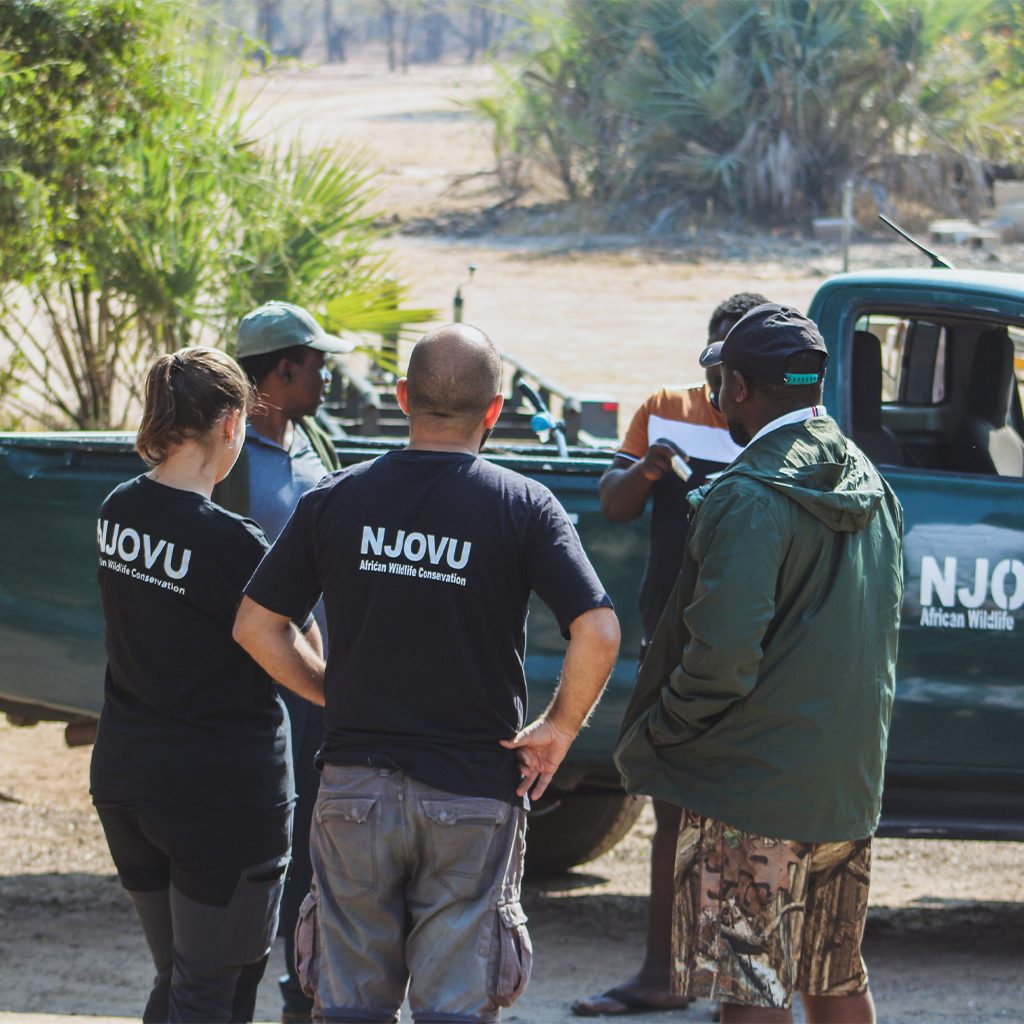
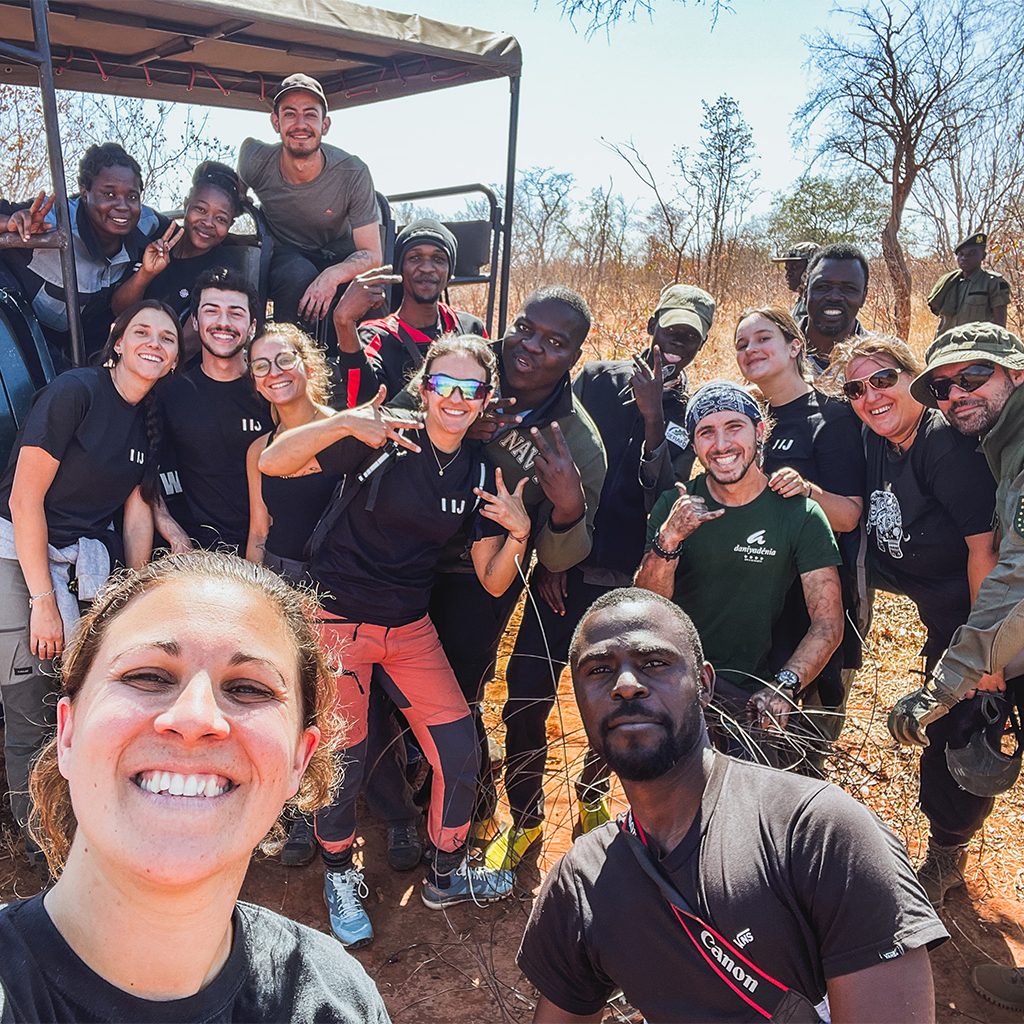
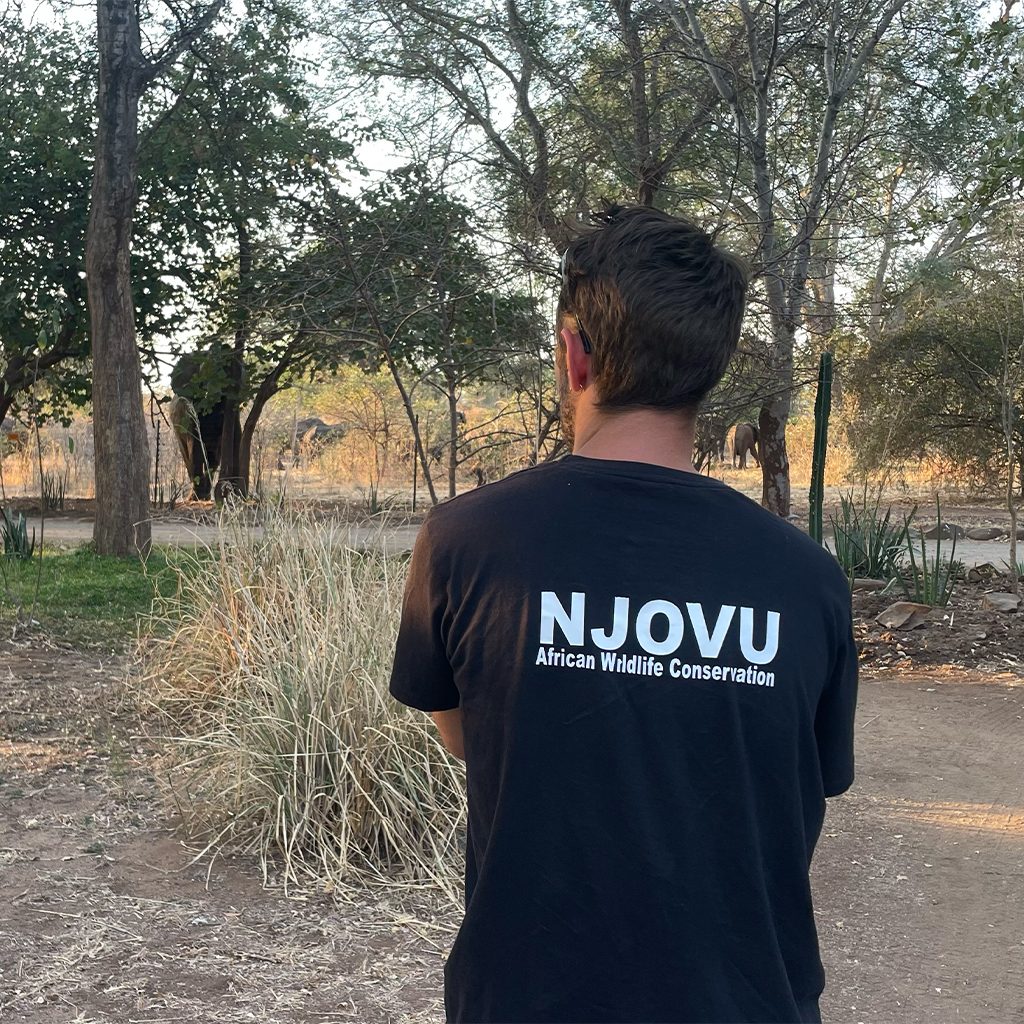
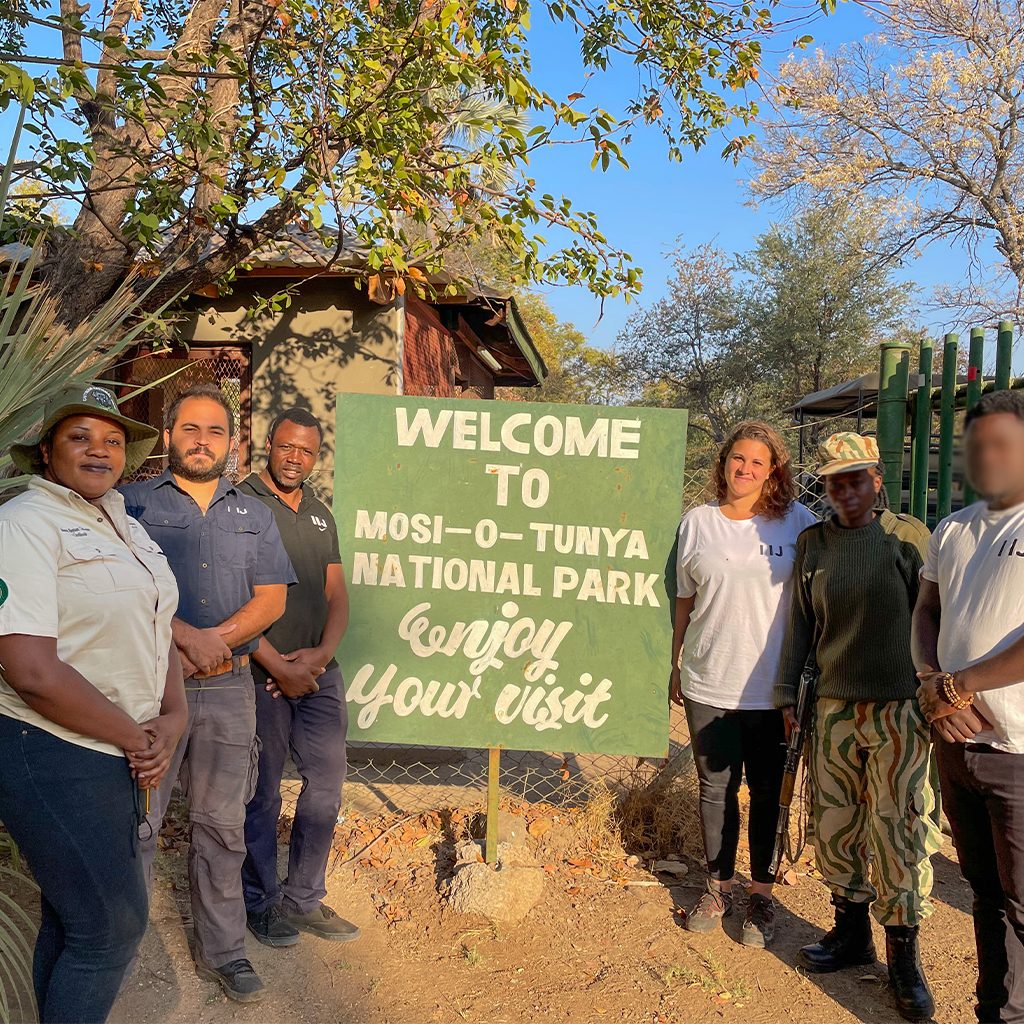
At NJOVU, we seek a holistic and cross-cutting approach to the complex challenges facing the planet.
Our main motivation lies in achieving a coexistence between humans and other animals that allows a sustainable development of both parties, achieving a balance.
EDUCATION
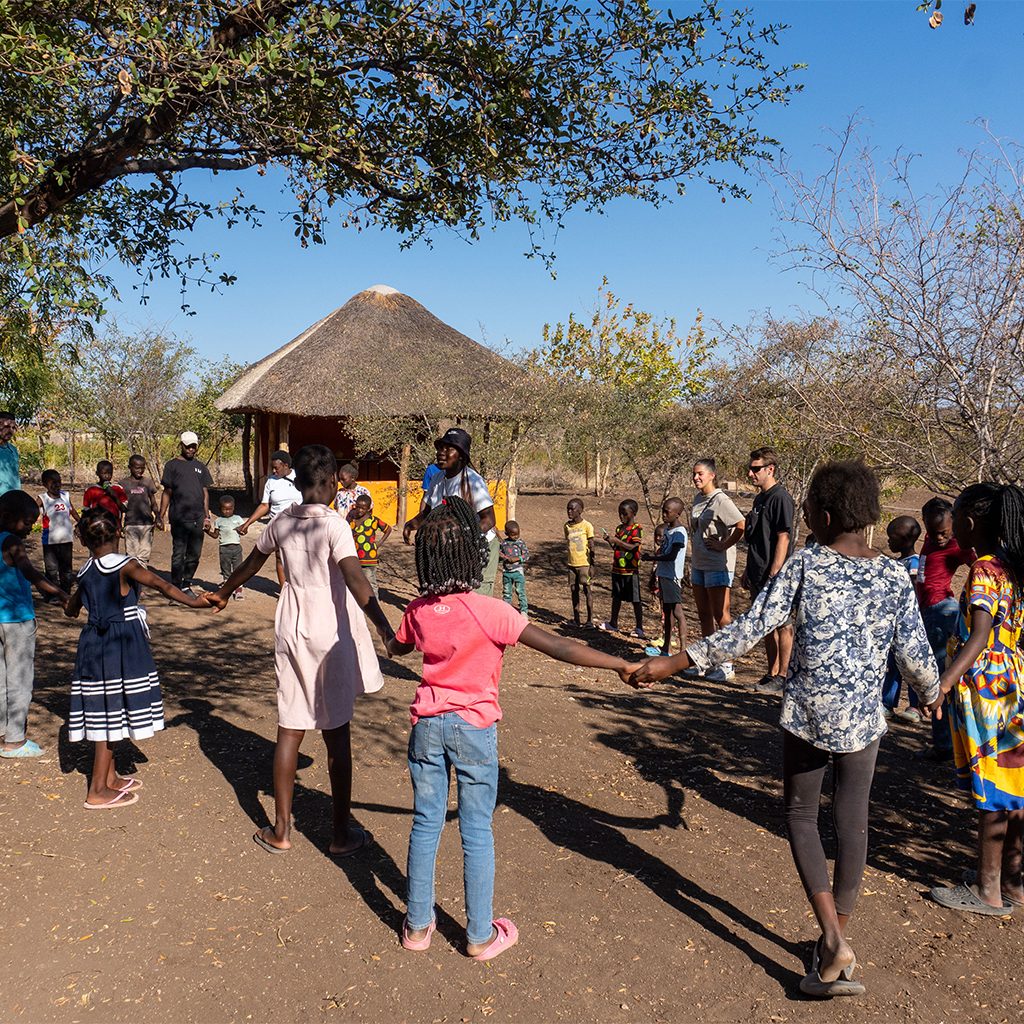
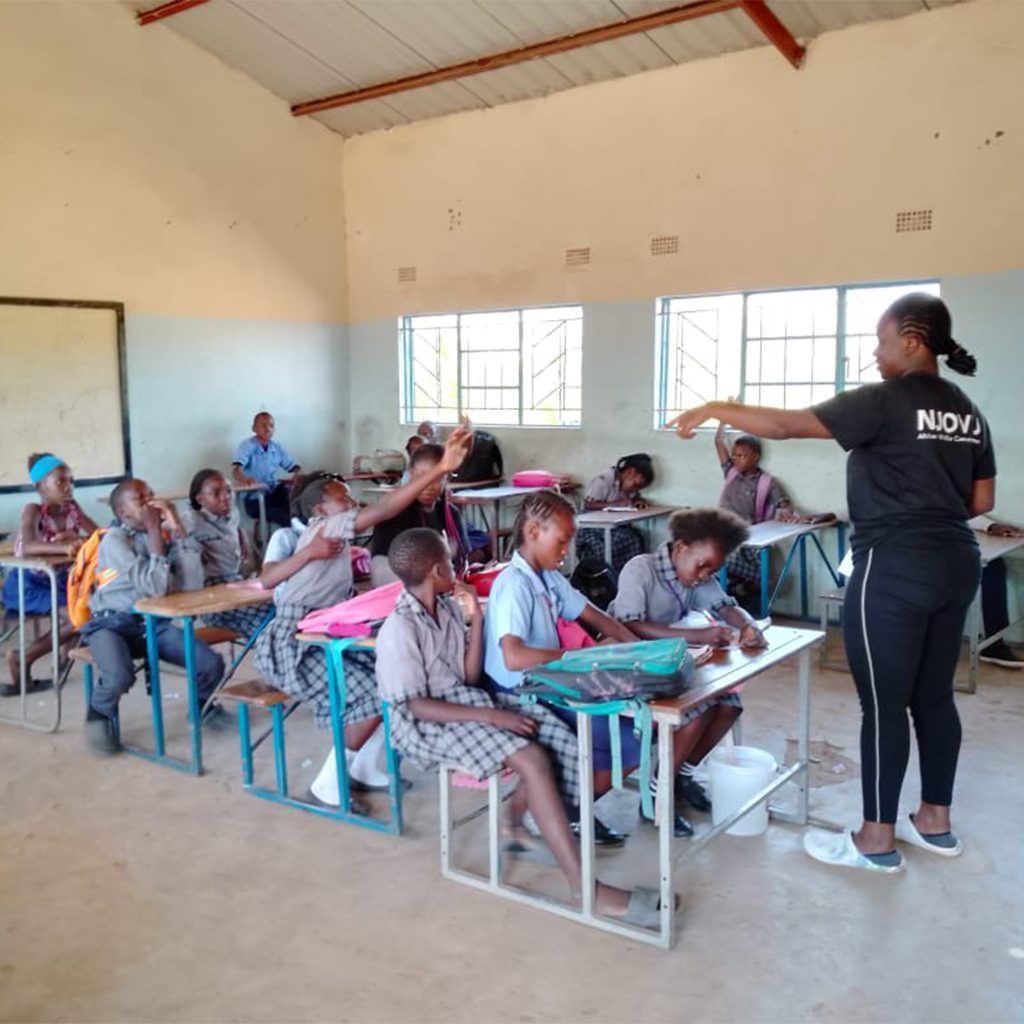
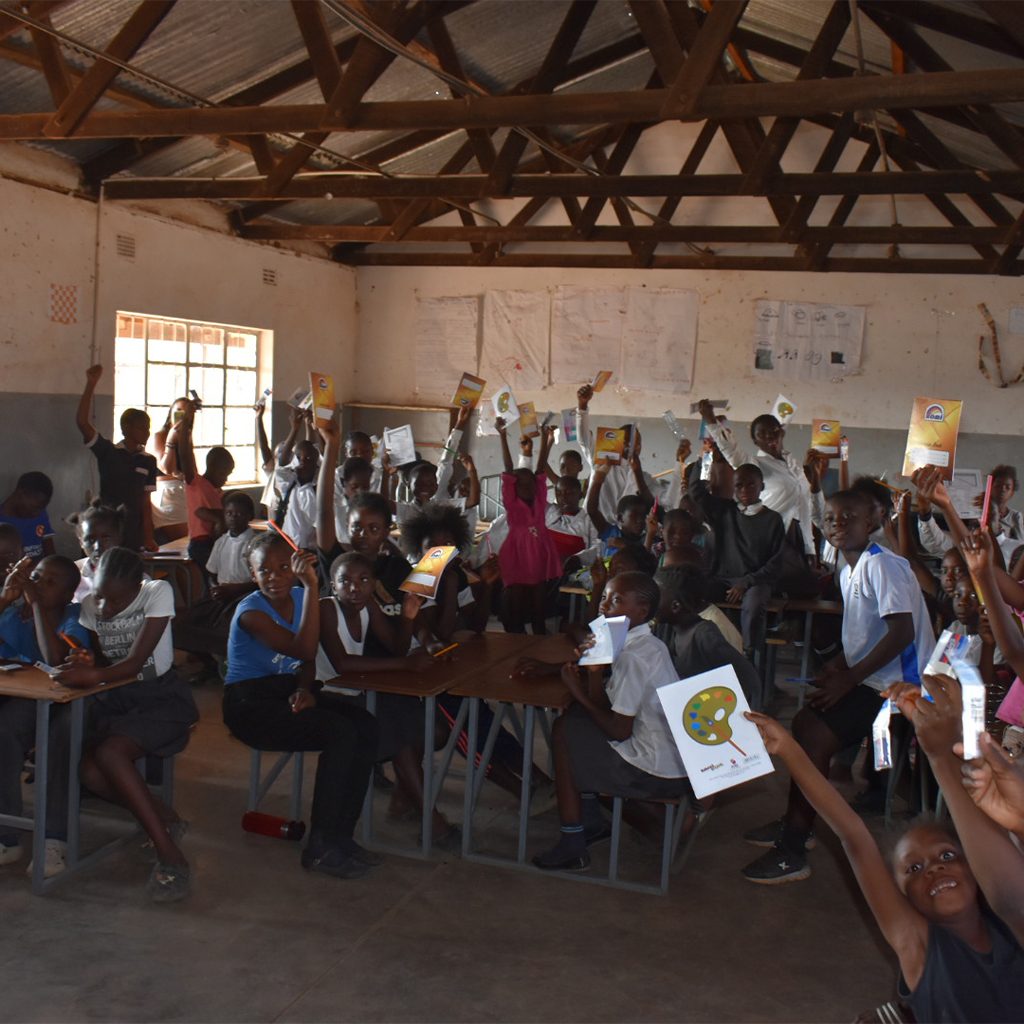
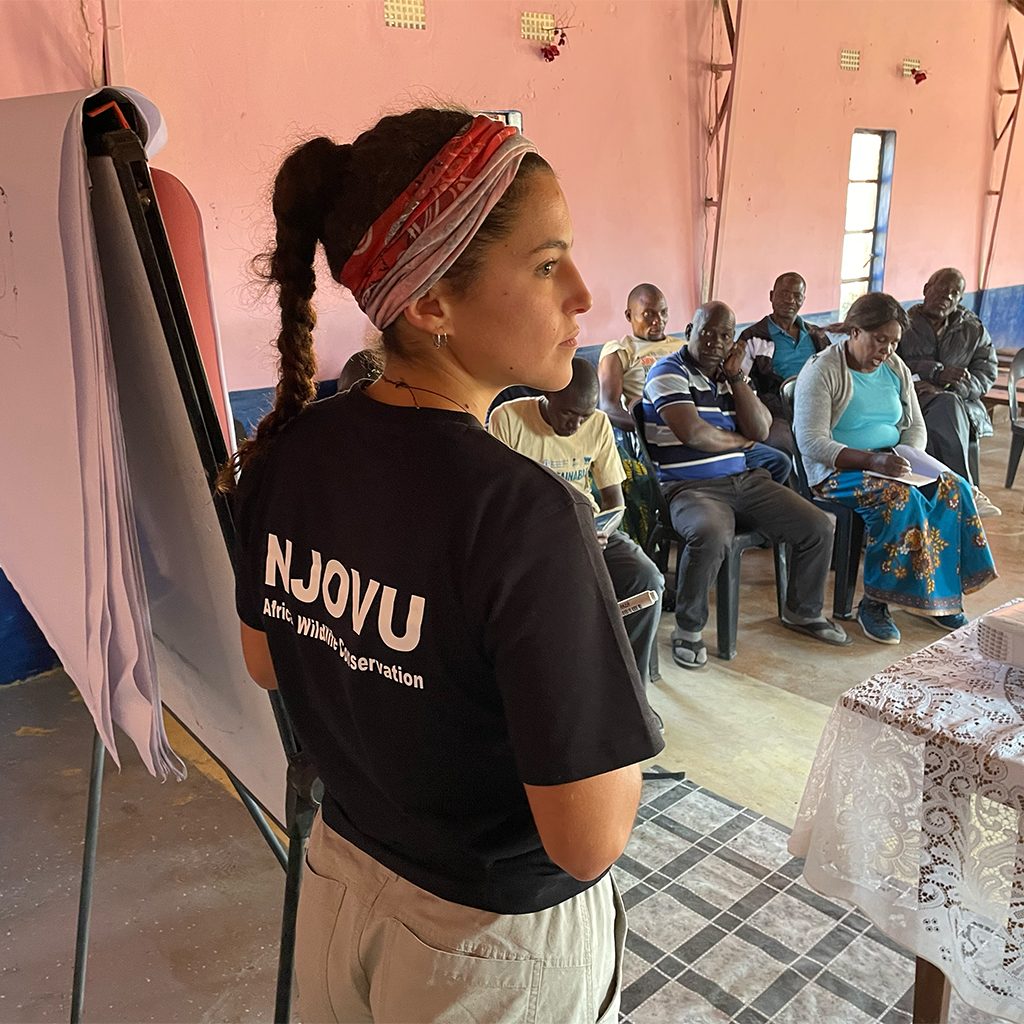
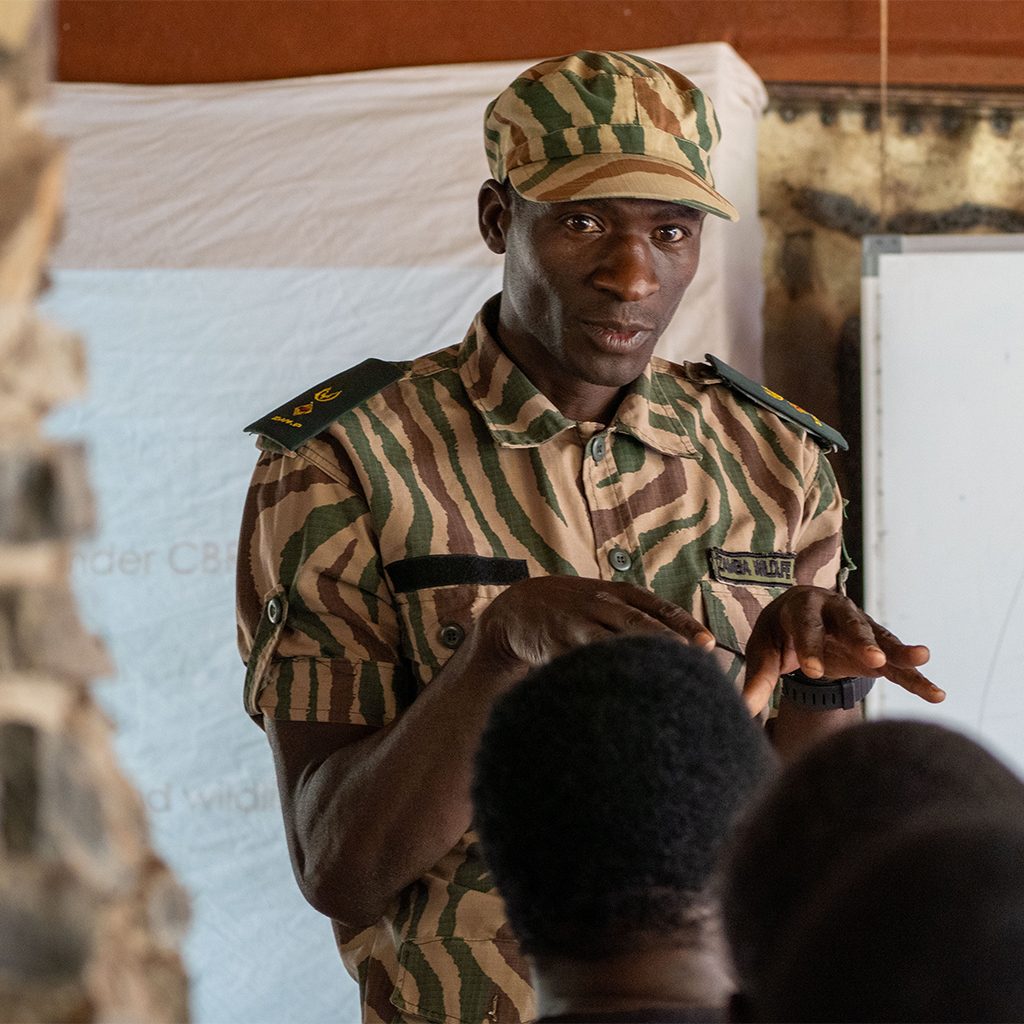
We owe most of what we know today to those who took the time to teach us. We visit schools and educational centers twice a week with our Con-Ed program. (Conservation Education). In them, students from different levels add up by the dozens and voluntarily to learn, while having fun, some remarkable skills such as:
- The importance of biodiversity and the contribution it makes to their lives. - Advice on coexistence with wildlife. - Knowledge of ecosystems and animals.
We participate in various awareness-raising activities. Some of these are prompted by major events, such as wildlife incidents, while others seek to anticipate them. Key examples are:
- The appearance in the media with the arrival of the elephant season, seeking to reduce the points of conflict.
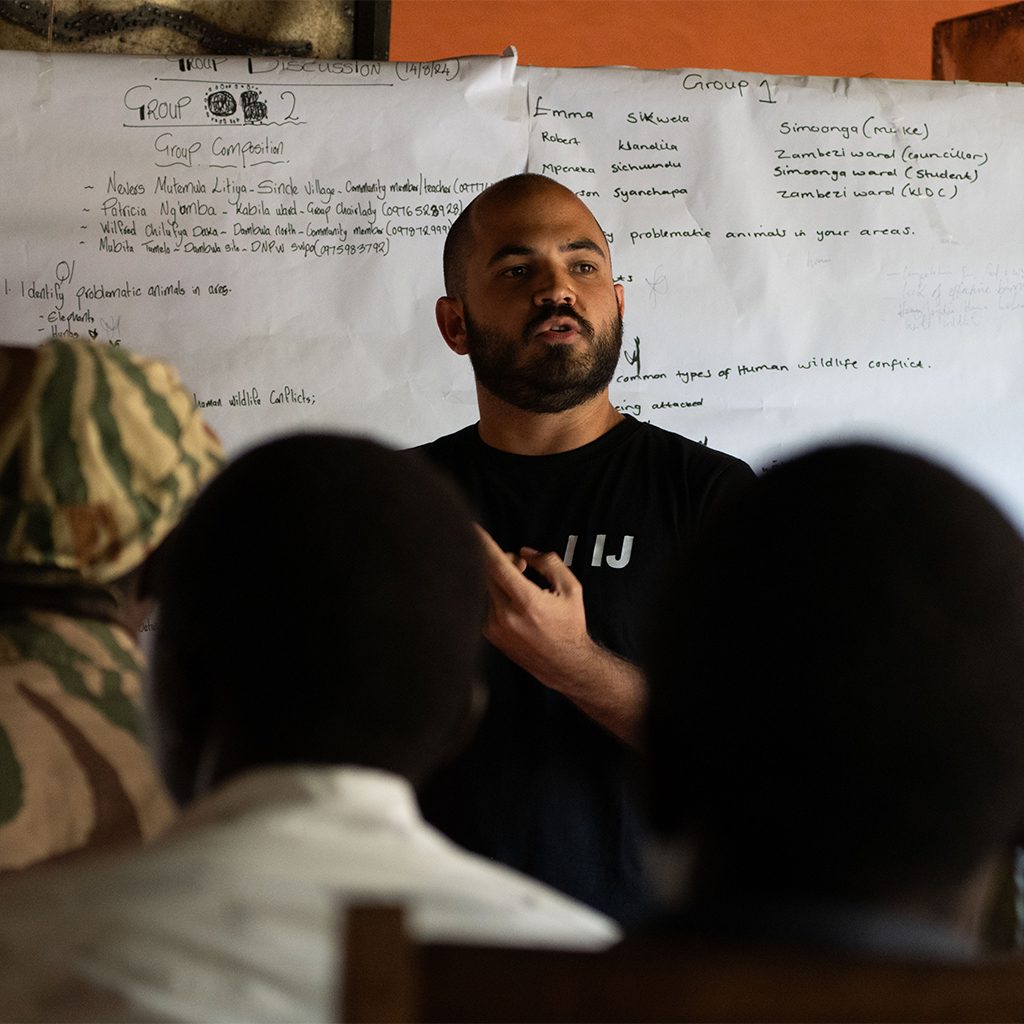
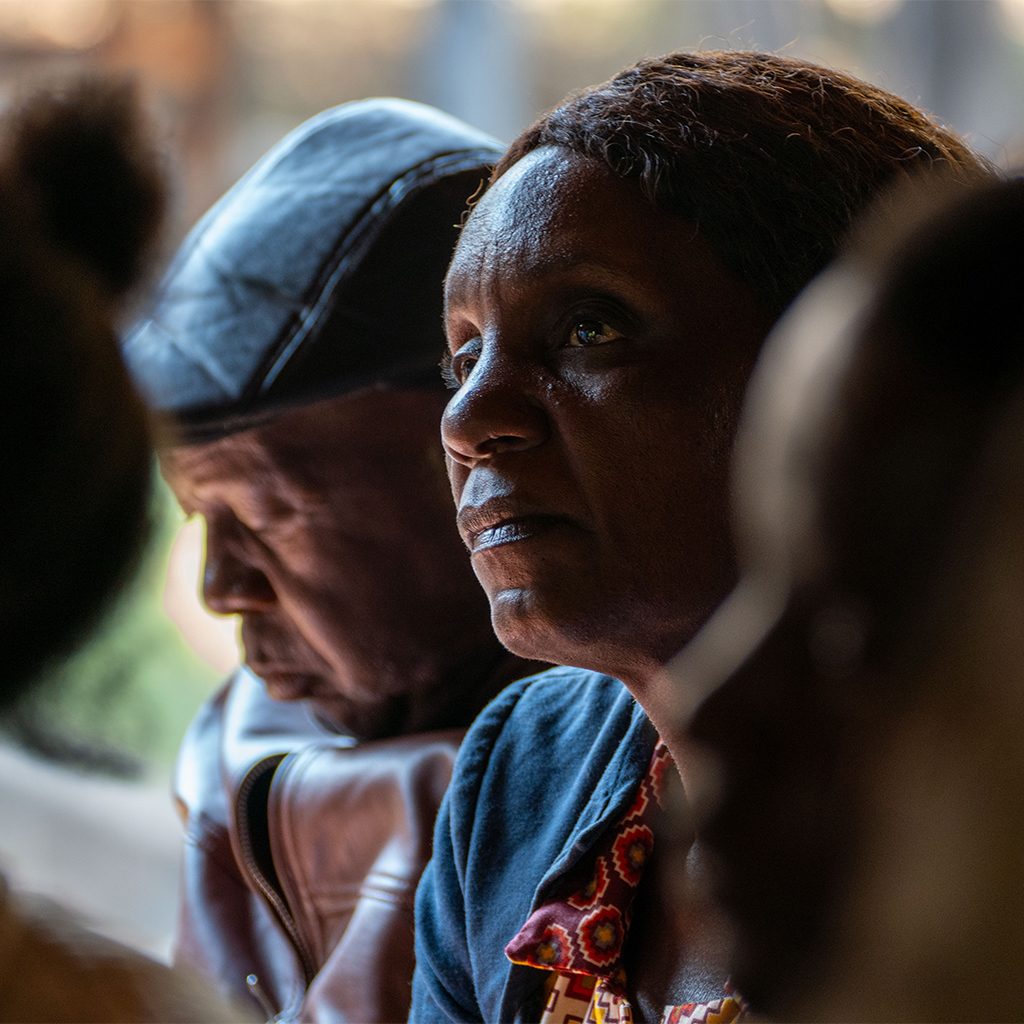
The absence of a space for dialogue between different communities, authorities and conservation organizations generates a distance from which tensions arise that have repercussions on biodiversity conservation. In this sense, we develop workshops to bring together the different agents involved and to improve knowledge and understanding of the reality of the problems.
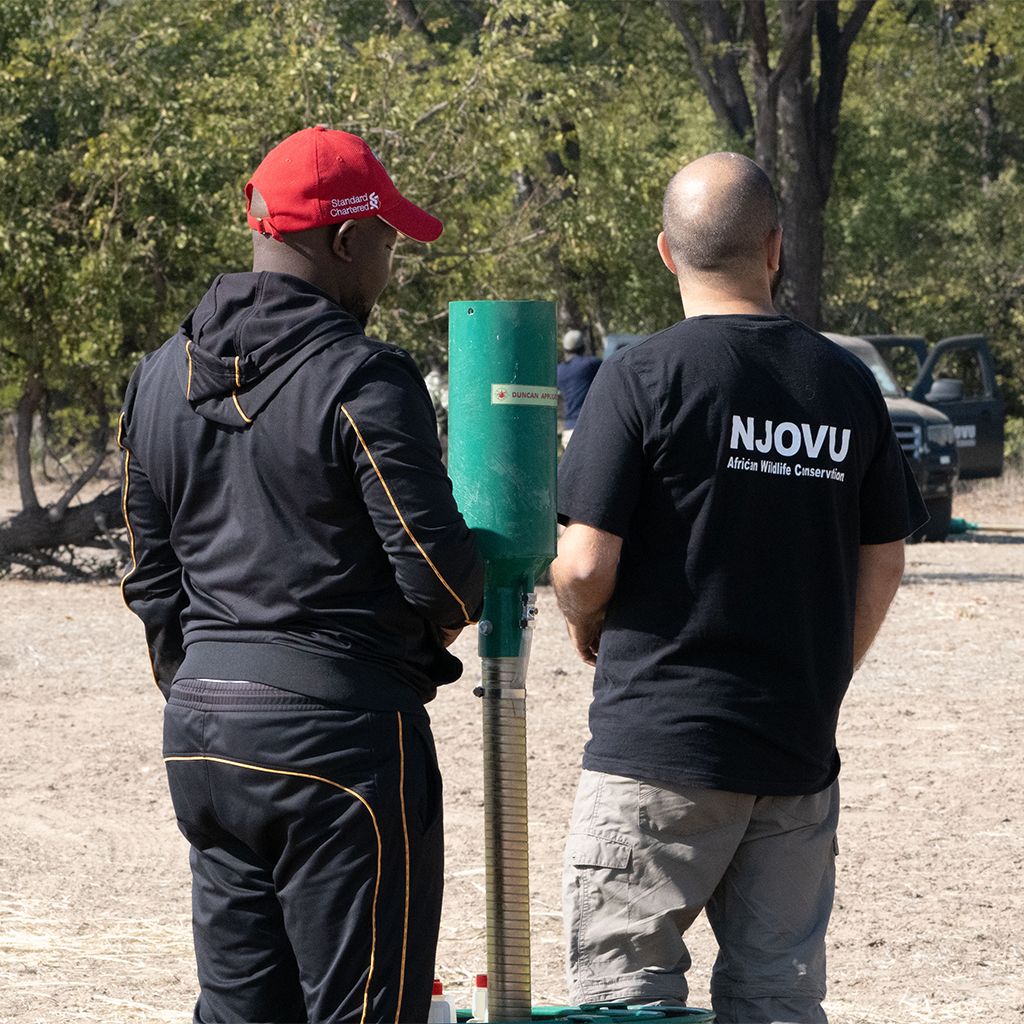
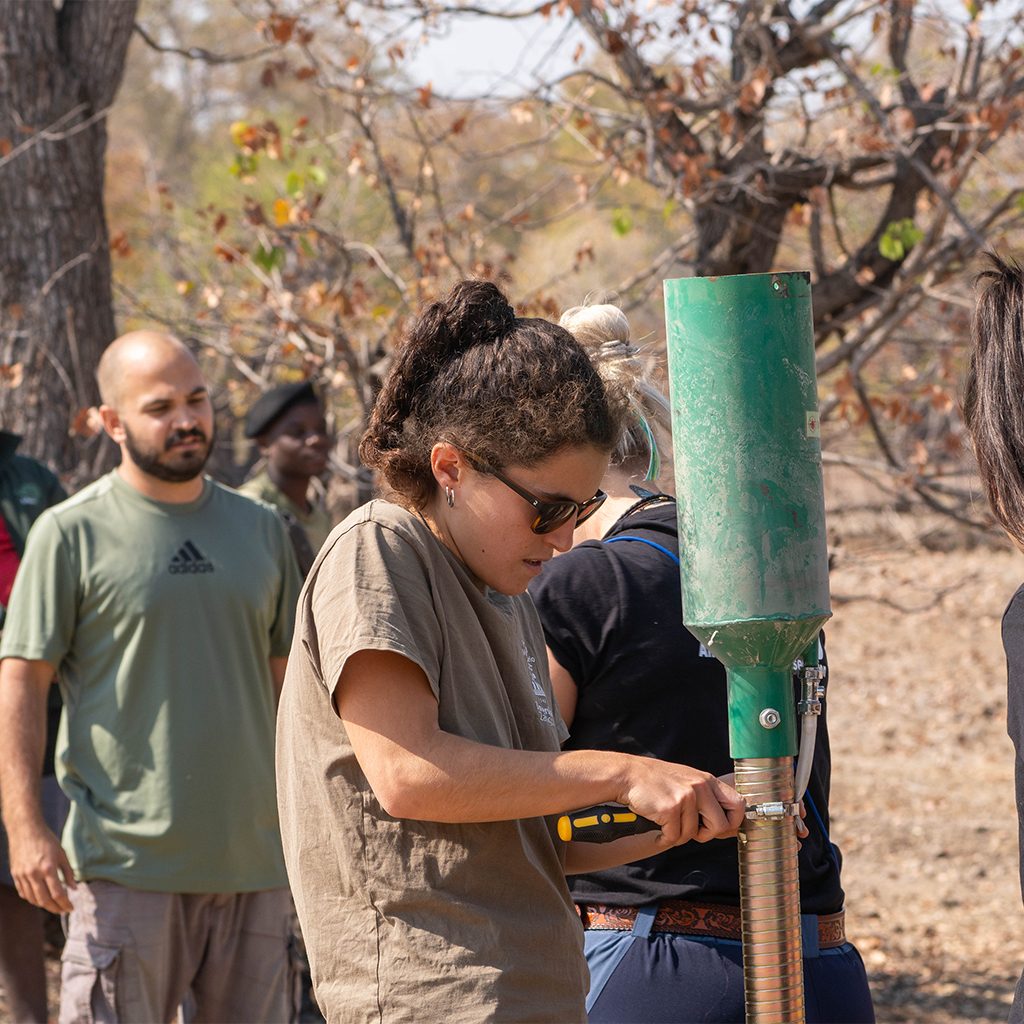
- Workshops on human-animal conflict to find sustainable, practical and lasting measures.
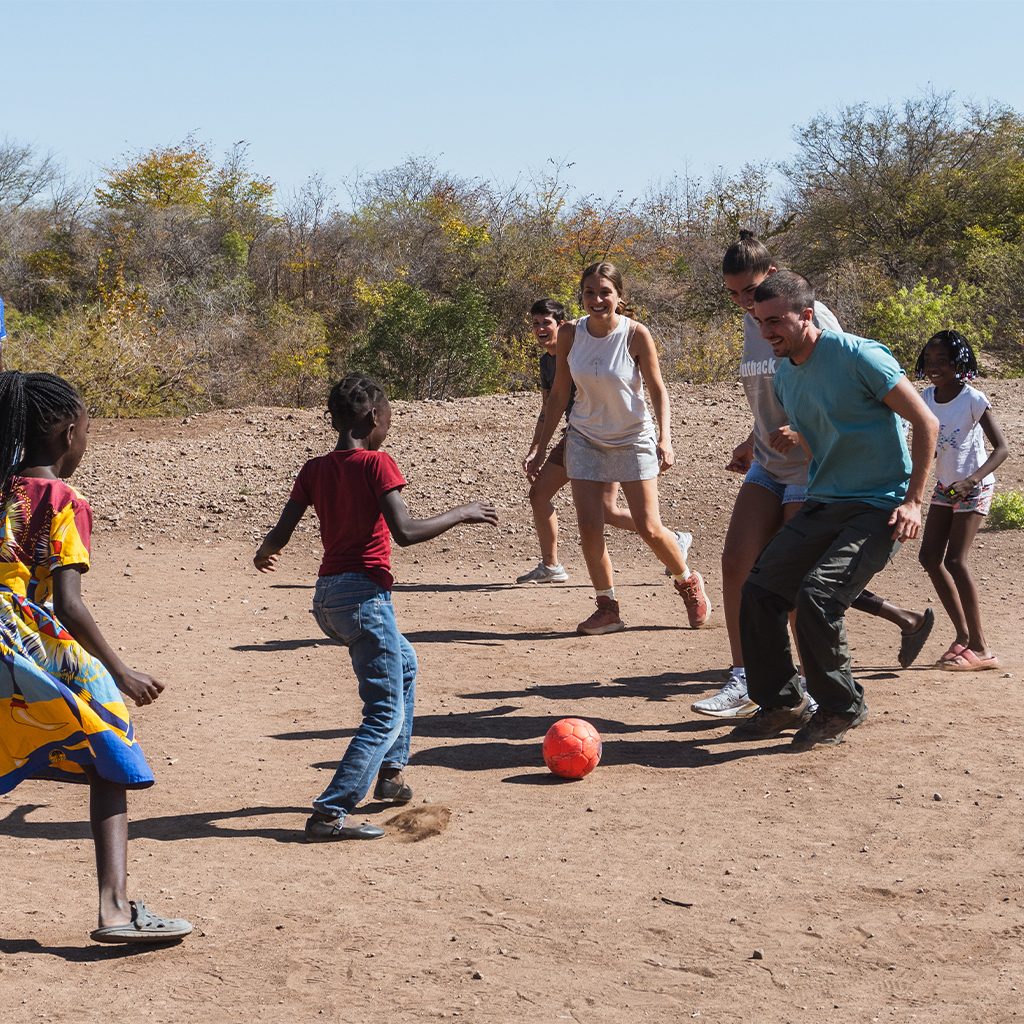
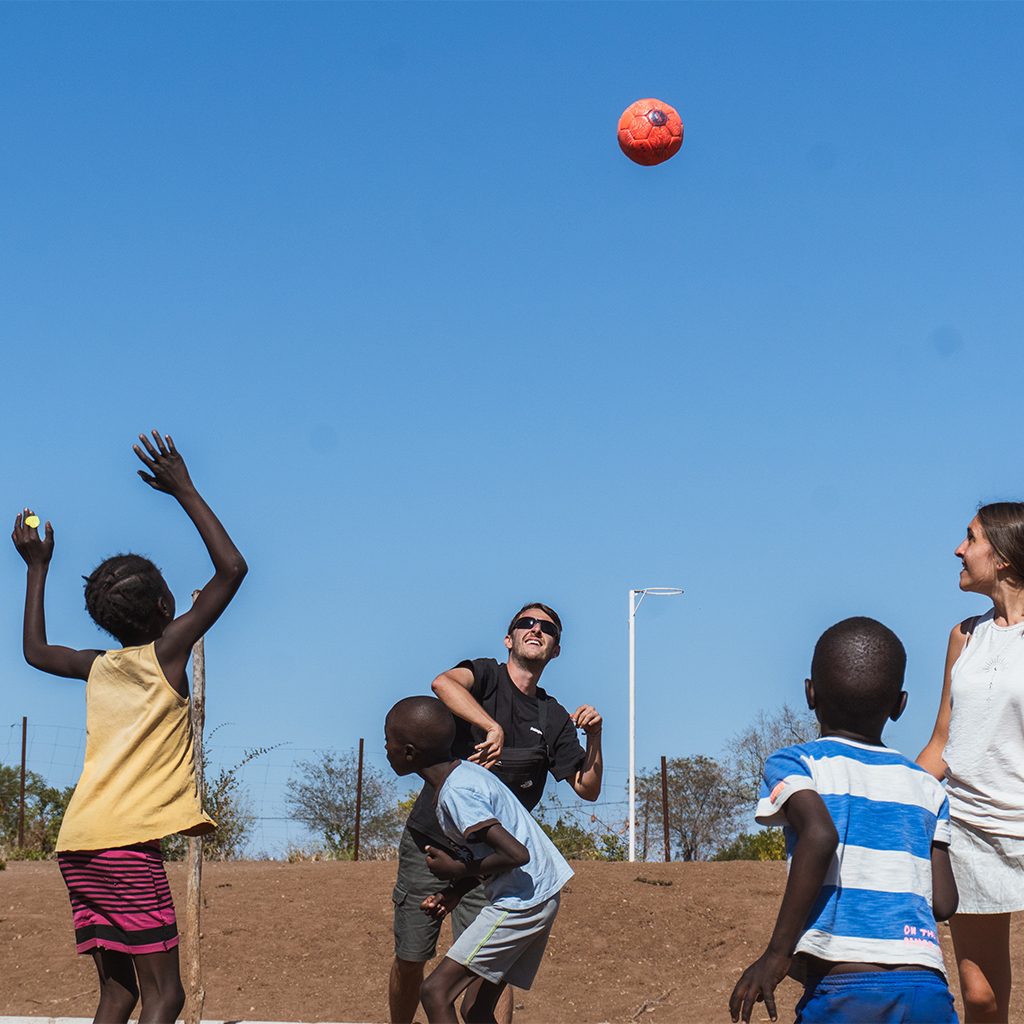
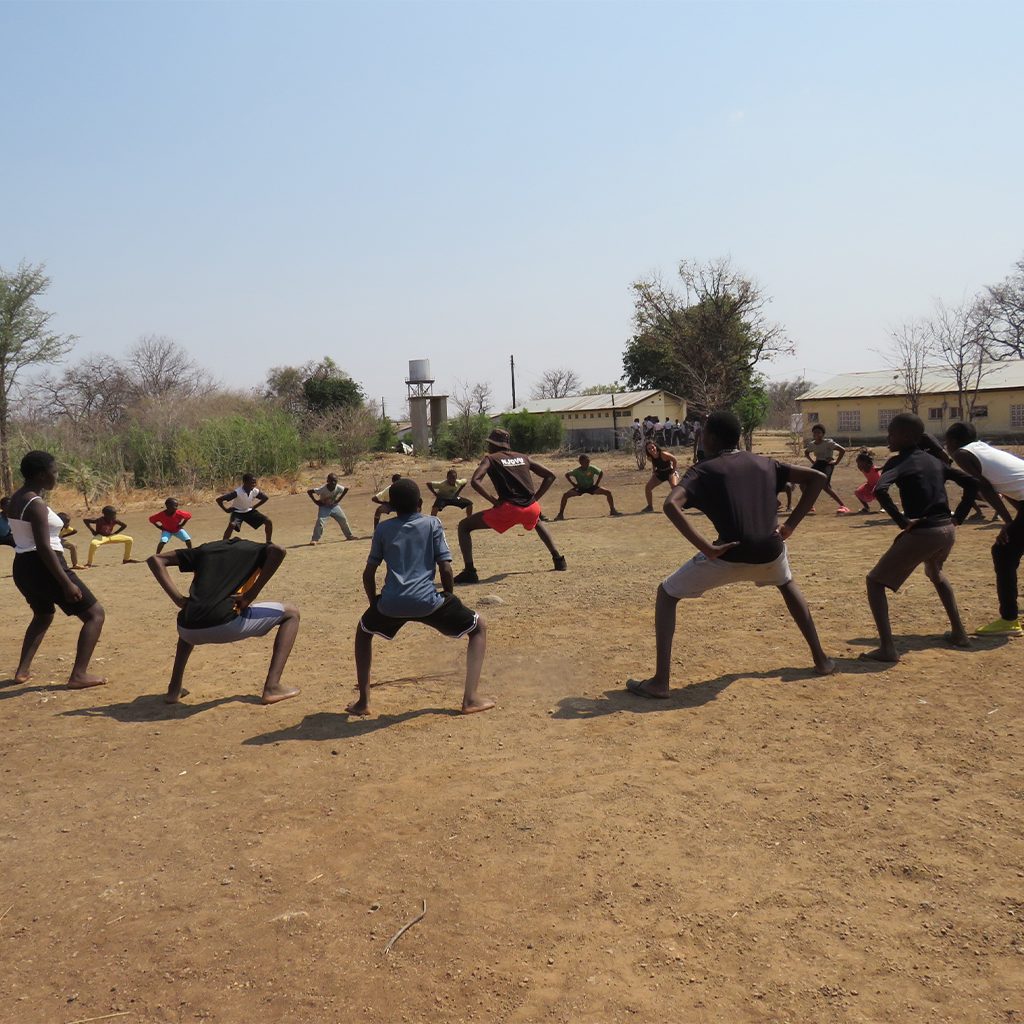
Sport and good lifestyle habits are a guarantee of physical and emotional health. Moreover, in contexts of lack of resources, an excess of free time can often lead to harmful habits and bad practices. In order to promote the former and reduce the latter, we carry out sports activities in different communities and educational centers:
- Making conservation visible through sport. - Create good habits. - To bring different people closer to each other by fostering the improvement of their relationships.
PREVENTION AND MITIGATION OF POACHING
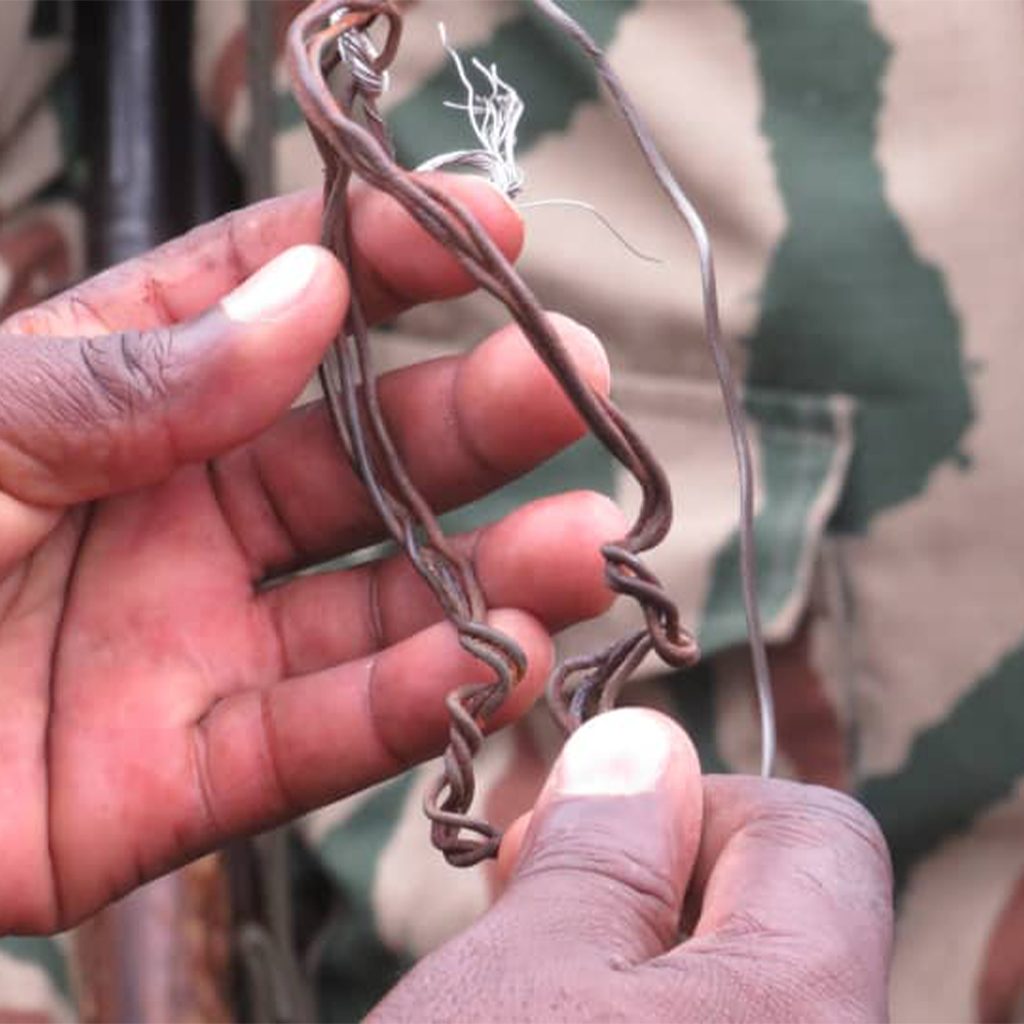
One of the most prevalent forms of poaching in our area is the use of wire snares to capture animals for the bushmeat trade. This type of hunting is non-selective and often results in non-target species dying without being utilized. Injured animals that escape can pose a threat to local human communities. Additionally, the meat that is sold lacks any form of sanitary control, which can contribute to the emergence of zoonotic diseases in the region.
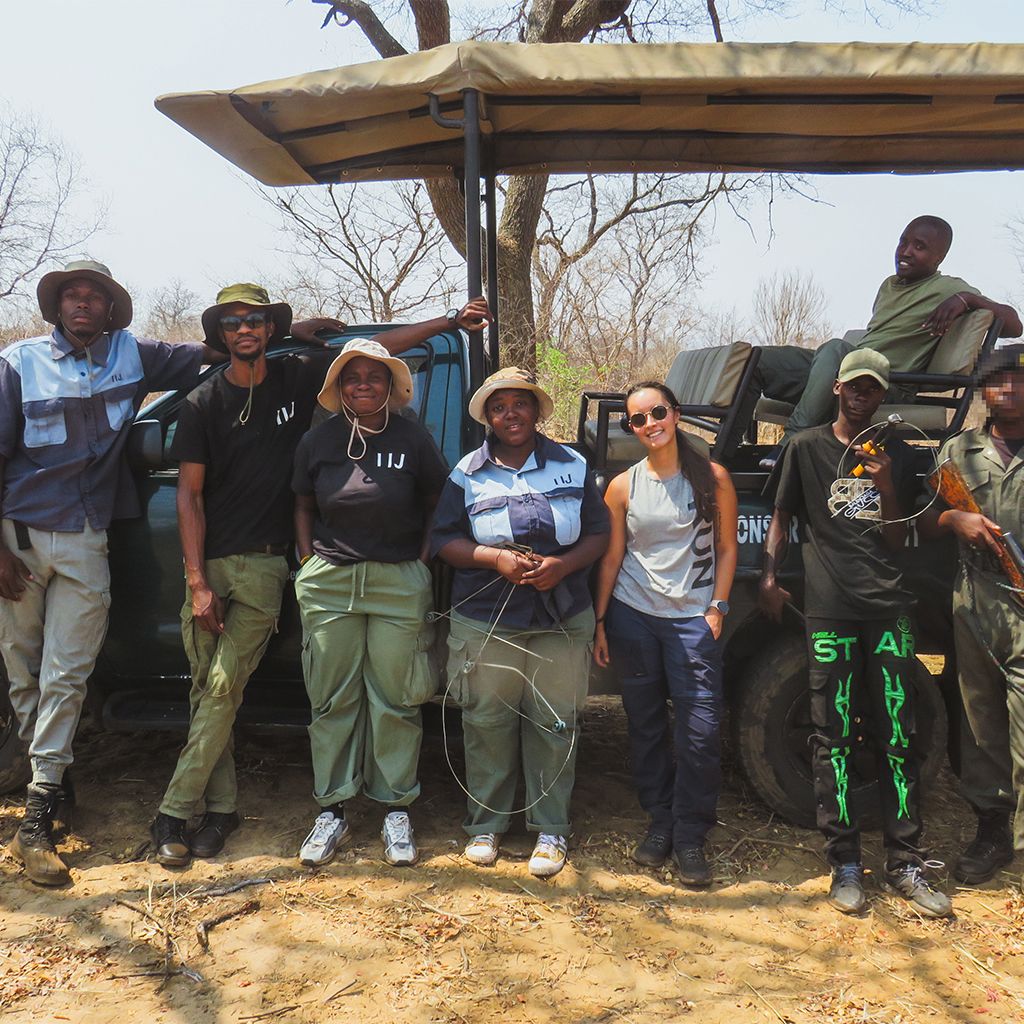
- On a weekly basis, we organize patrols and raids to remove these traps from protected areas.
-We analyze information to improve the approach to the problem.
The loss of wildlife inhabiting natural areas designated for commercial activities, such as tourism, leads to a direct reduction in the economic resources these activities generate and, consequently, hinders the socio-economic development of the region. In the case of threatened species, the problem becomes even more severe as the risk of their complete extinction increases. Therefore, it is essential to:
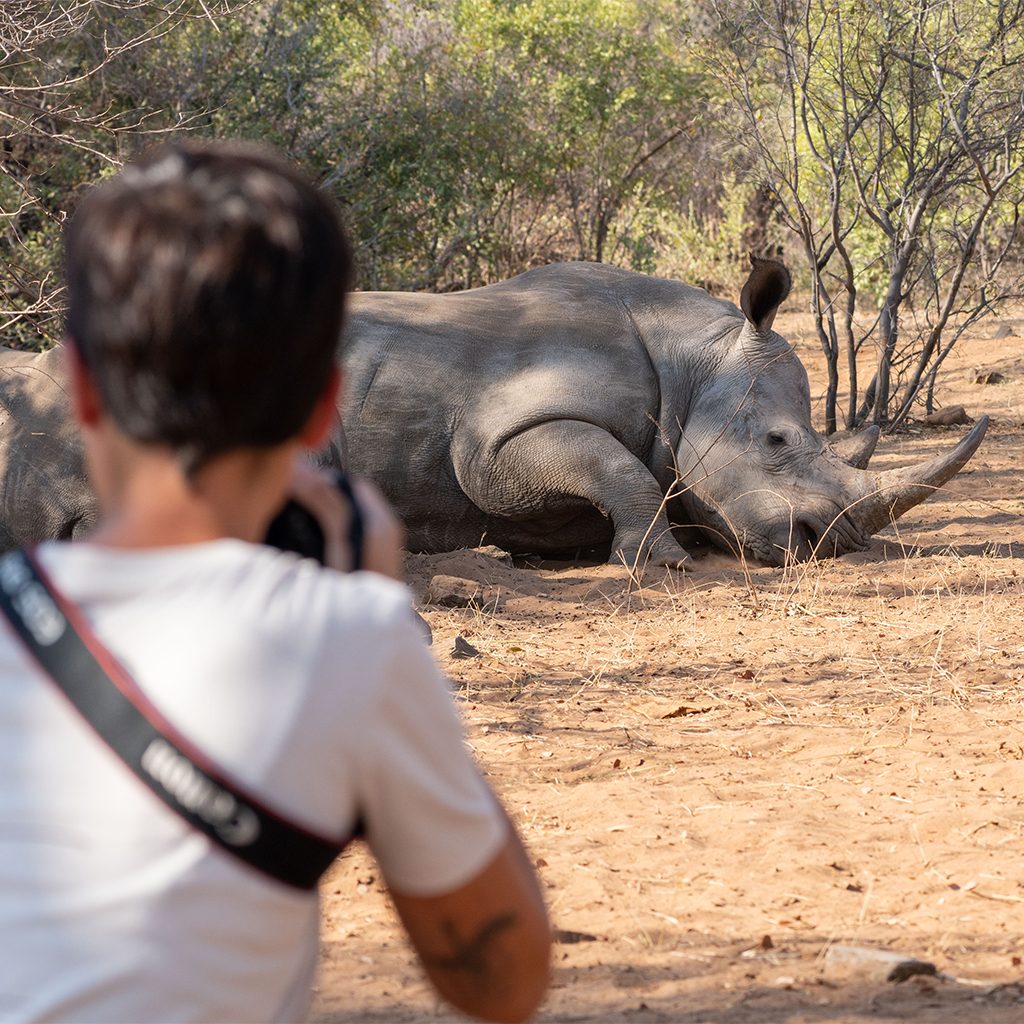
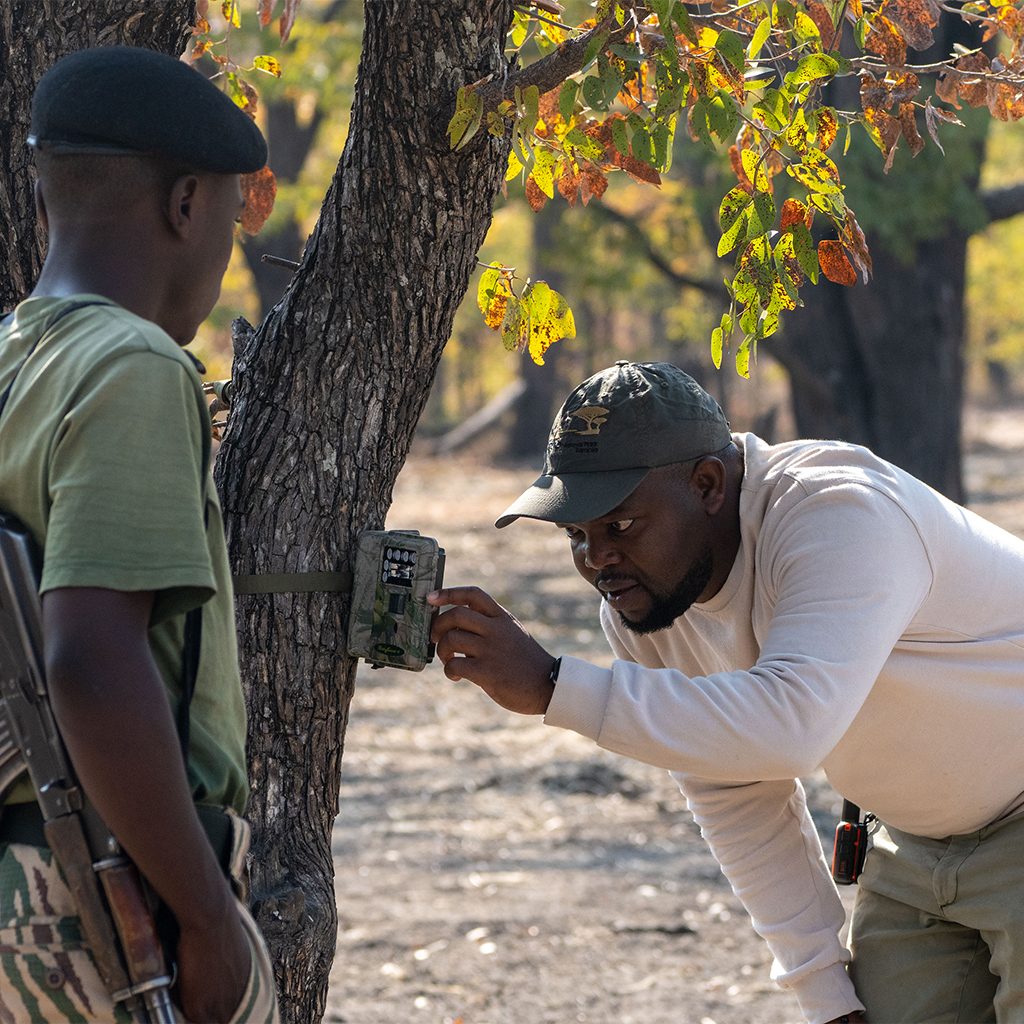
- Monitor the species. · Provide continuous protection for certain individuals, such as the last remaining wild white rhinos in the country. · Provide food supplies, equipment and materials, fuel, and logistical support to protection units.
ONE HEALTH
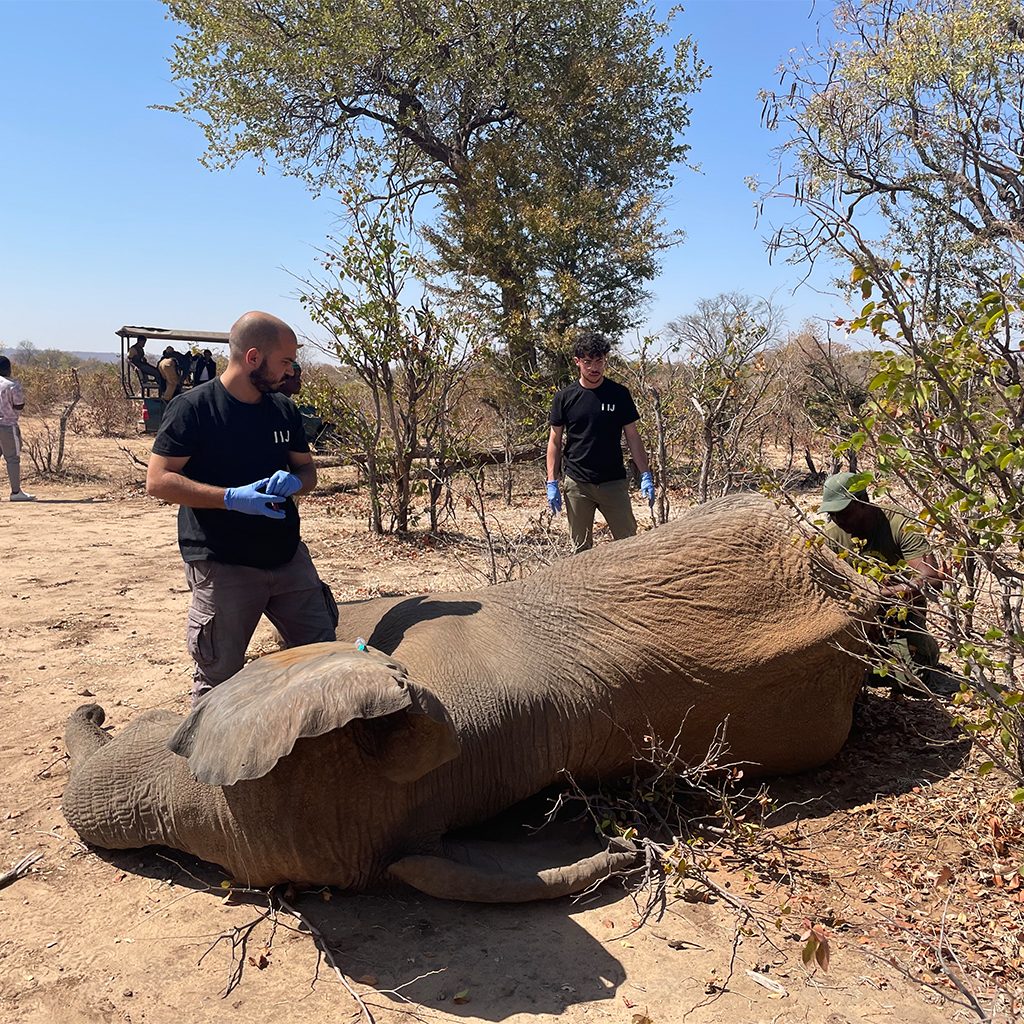
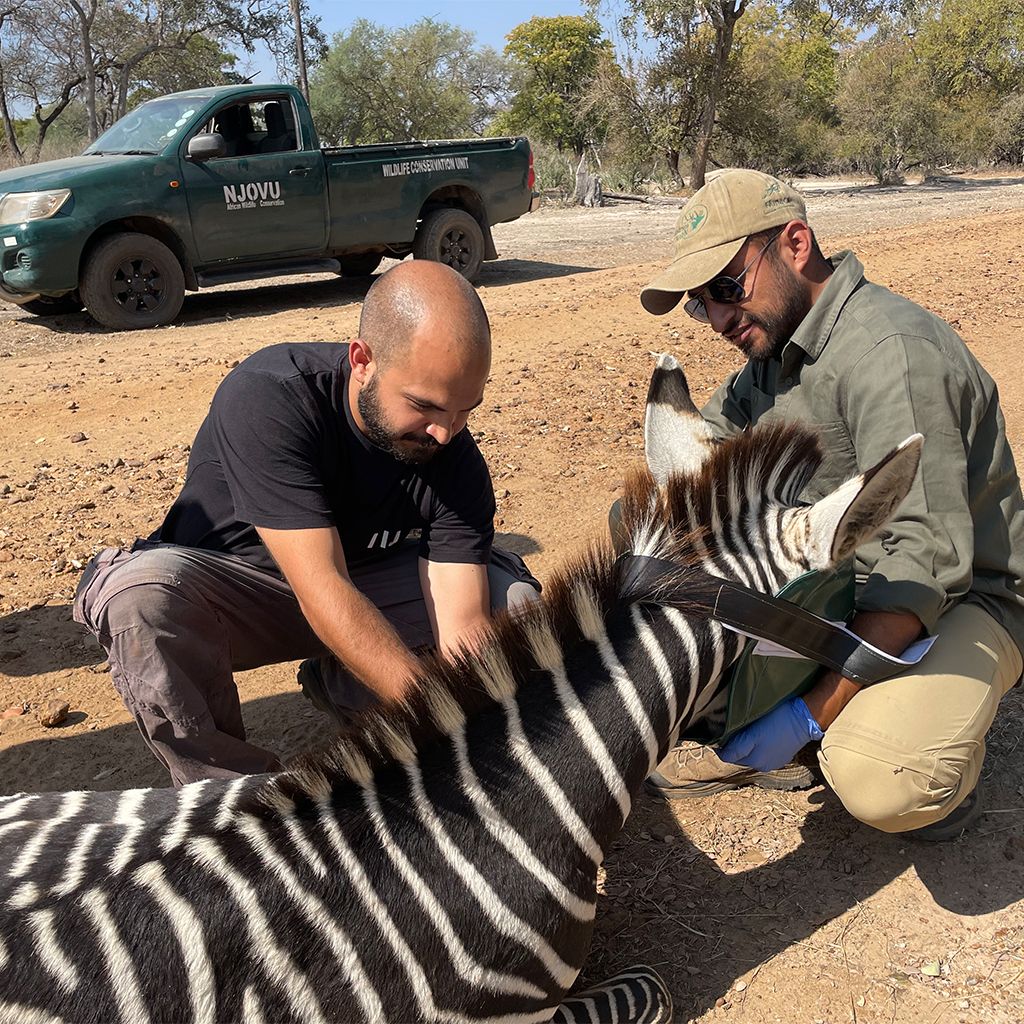
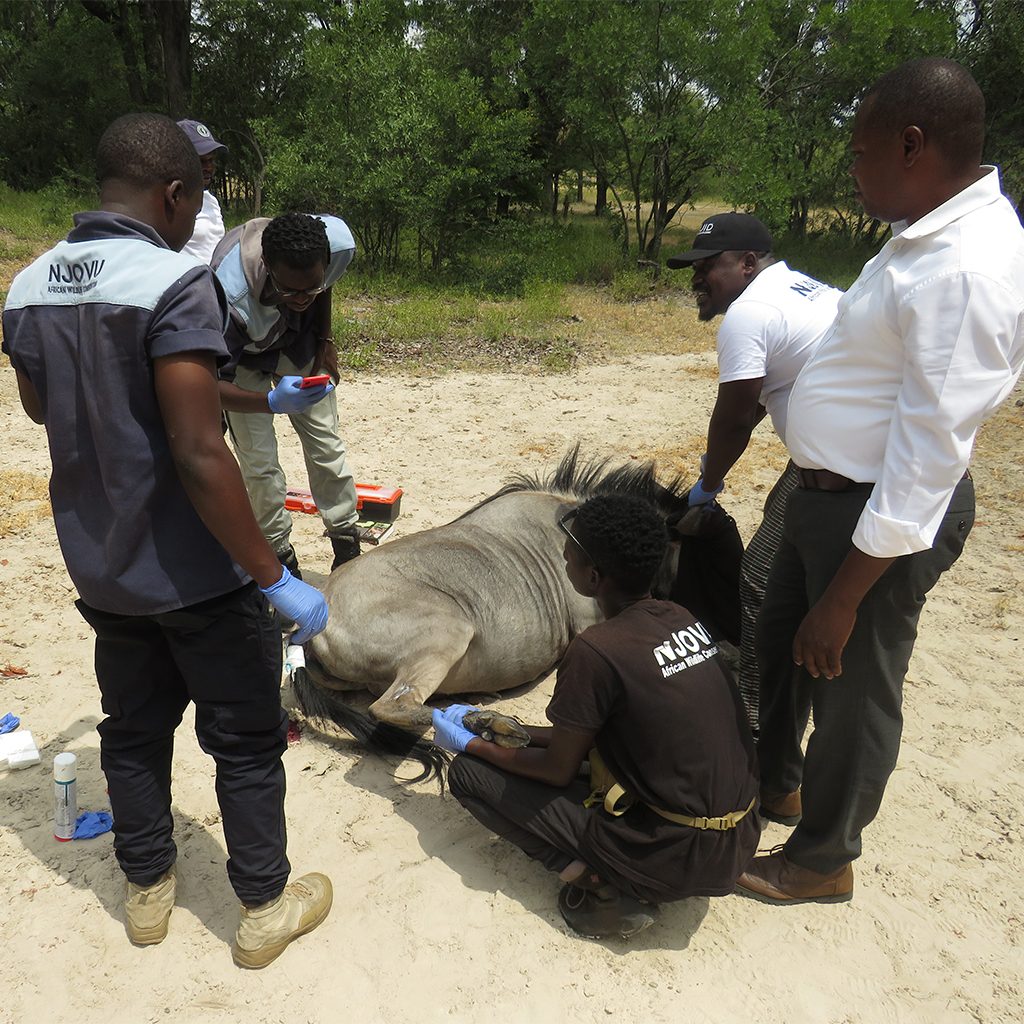
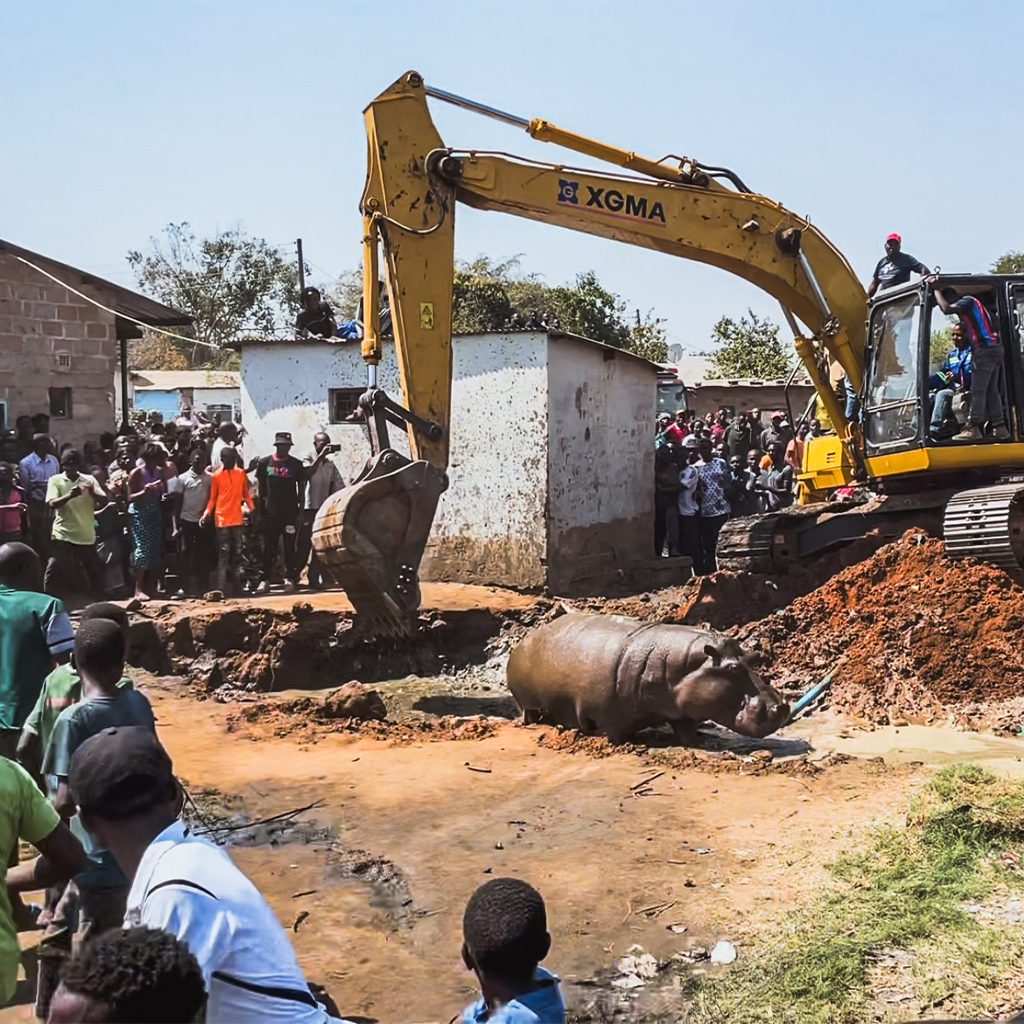
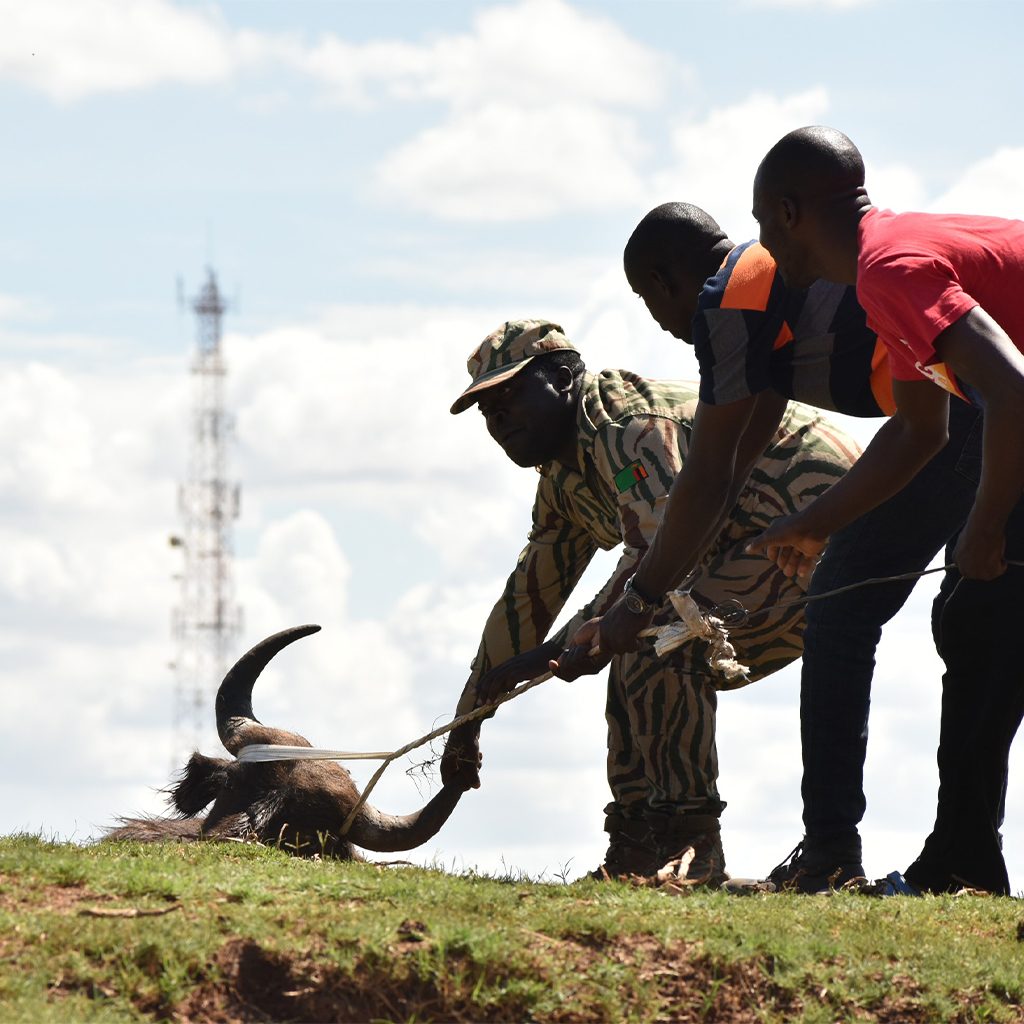
There are many reasons why a wild animal may be found injured. Some are natural, and in general, it is best not to intervene. However, many injuries are caused by human activity. In cases where the individuals or species play a key ecological or economic role in the region, a rapid intervention may be necessary. In such cases:
- We mobilize to capture the injured animal, treat it and return it to the wild.
There are few natural areas that do not have any type of impact from human activity. Because of this, it is impractical and unrealistic to think that we can apply a model of zero intervention and expect ecological dynamics to find a spontaneous equilibrium on their own.In the case of diseases, habitat fragmentation and alteration and loss of habitat quality favour hotspots of emergence. For this reason:
- We work on the ecosystem to reduce the incidence and prevalence of some diseases and improve knowledge of them.
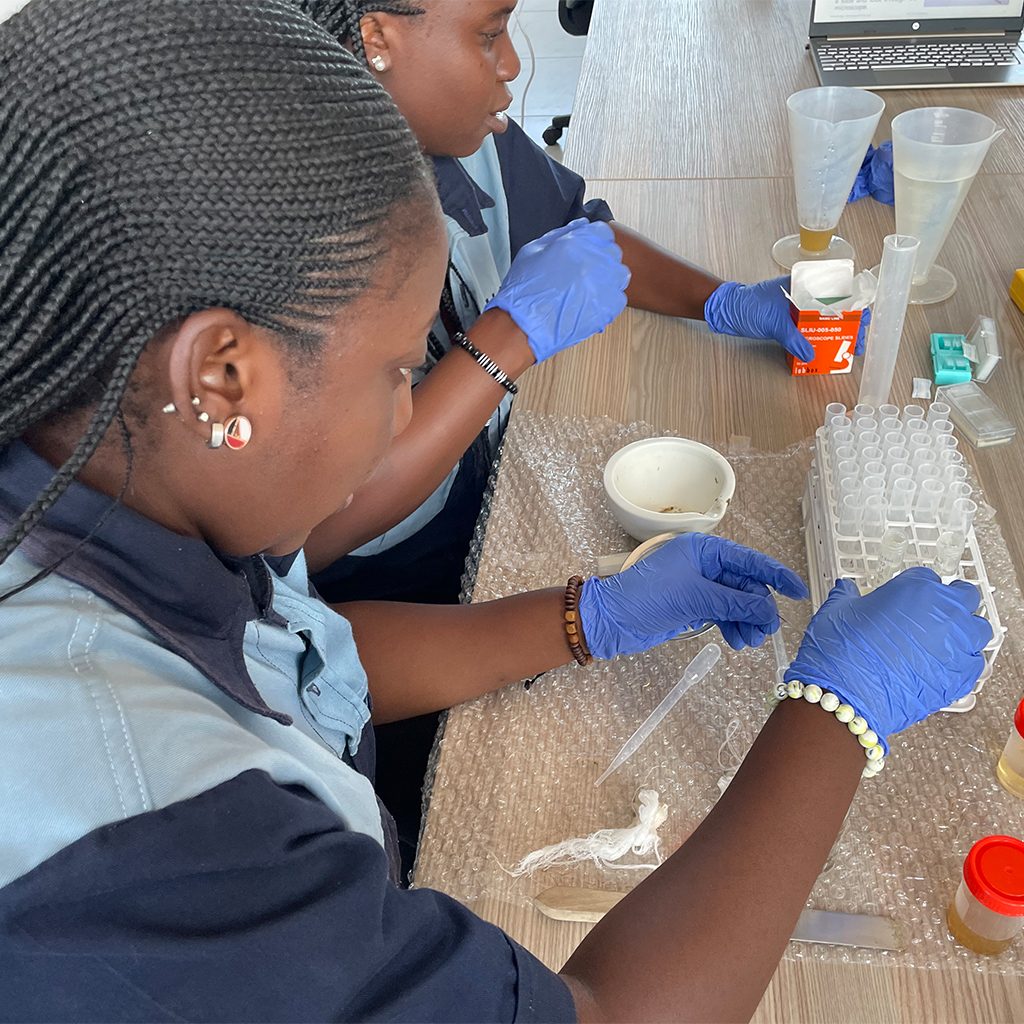
- We carry out studies of parasites in the area and the application of control and prevention measures.
Zoonoses or diseases shared between humans and other animals are one of the greatest threats to public health. Proof of this is that most of the diseases listed as of high concern by the World Health Organization are zoonotic. Wildlife is the focus of many of these diseases and the barrier between wildlife, domestic livestock and the human population must be monitored.
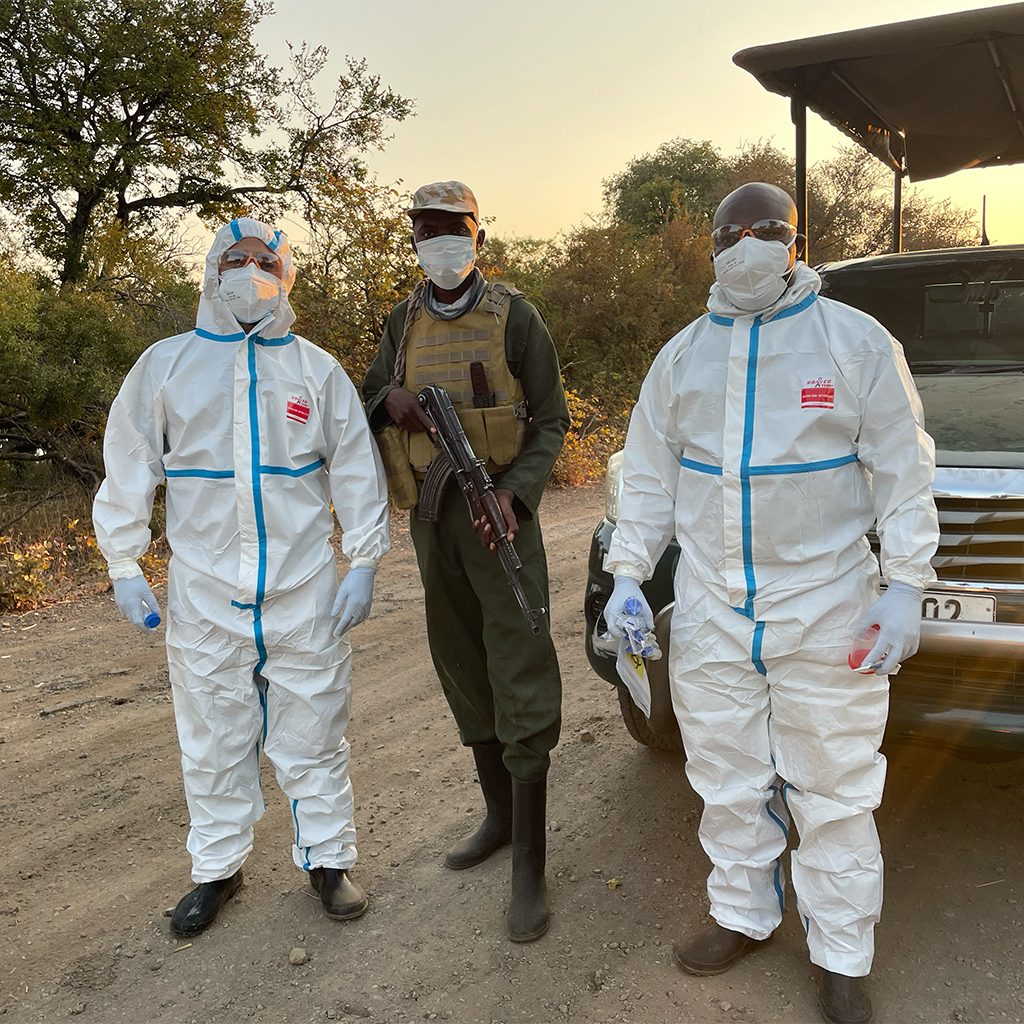
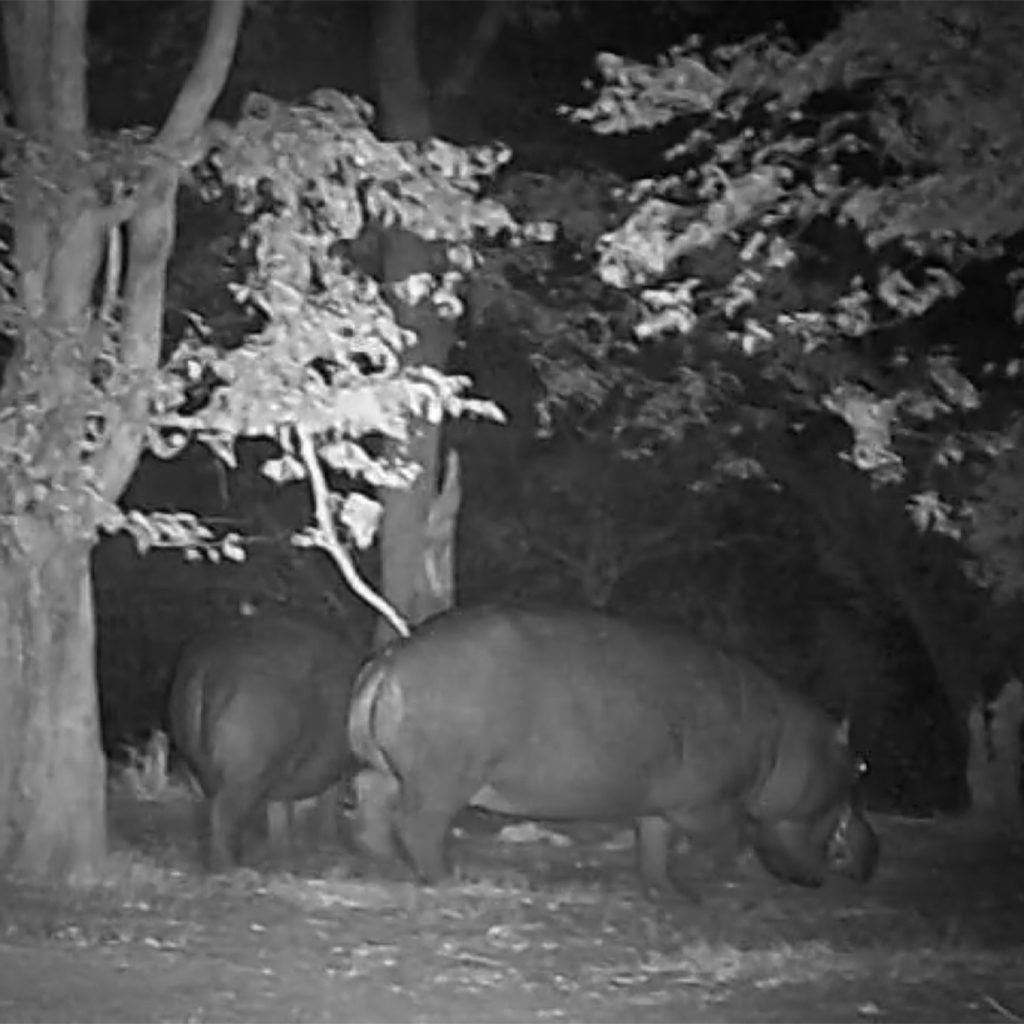
- We carry out studies and sampling of animals and environment for disease monitoring and detection of outbreaks.
RESOURCE MANAGEMENT
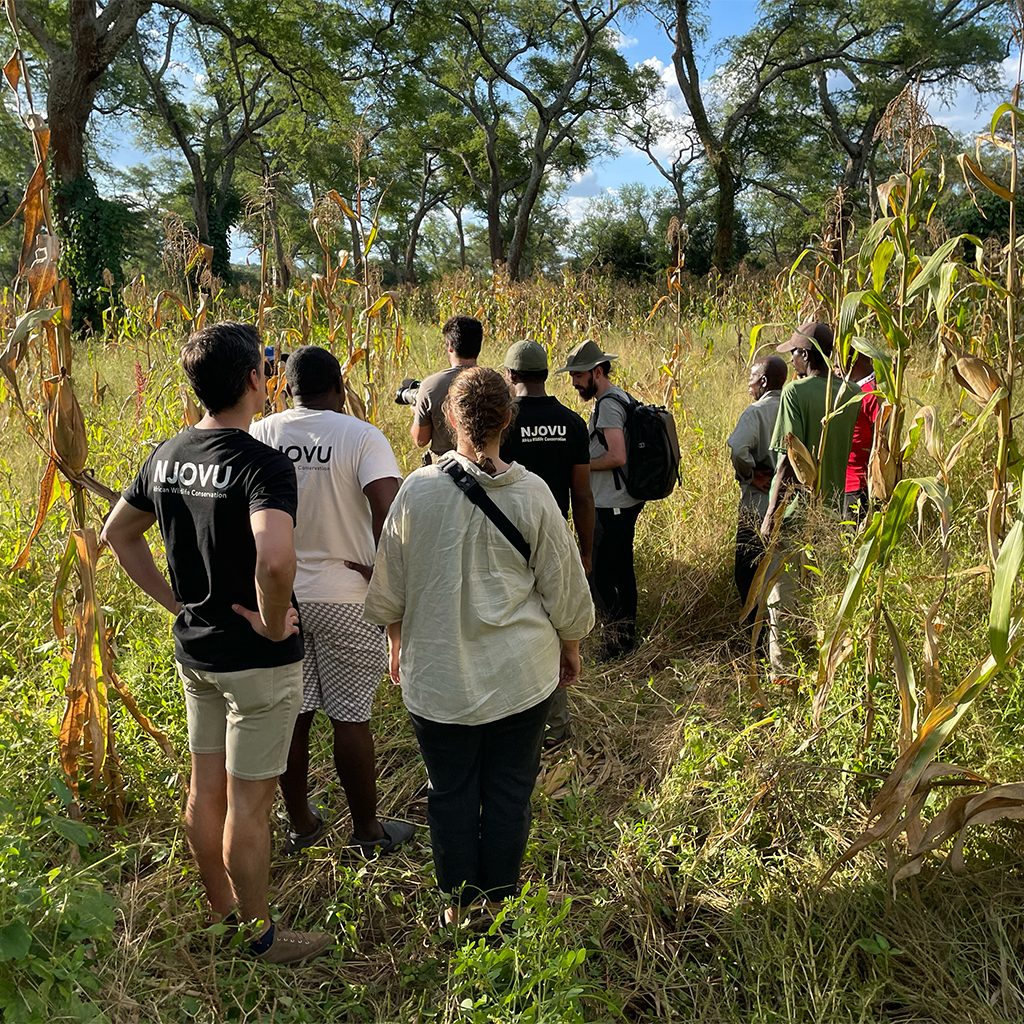
Perhaps the biggest and most neglected problem is the human-animal conflict, which makes it difficult for humans and other animals to coexist. Even if the demand for ivory were to disappear forever, for example, there would still be the problem of how to live near elephants. Frequently, as a mitigation measure, actions have been employed without consulting local people, leading to low acceptance with low effectiveness. Therefore:
- We work with the authorities and local communities to better understand the conflict and to find evidence-based solutions that are durable and practical in the long term.
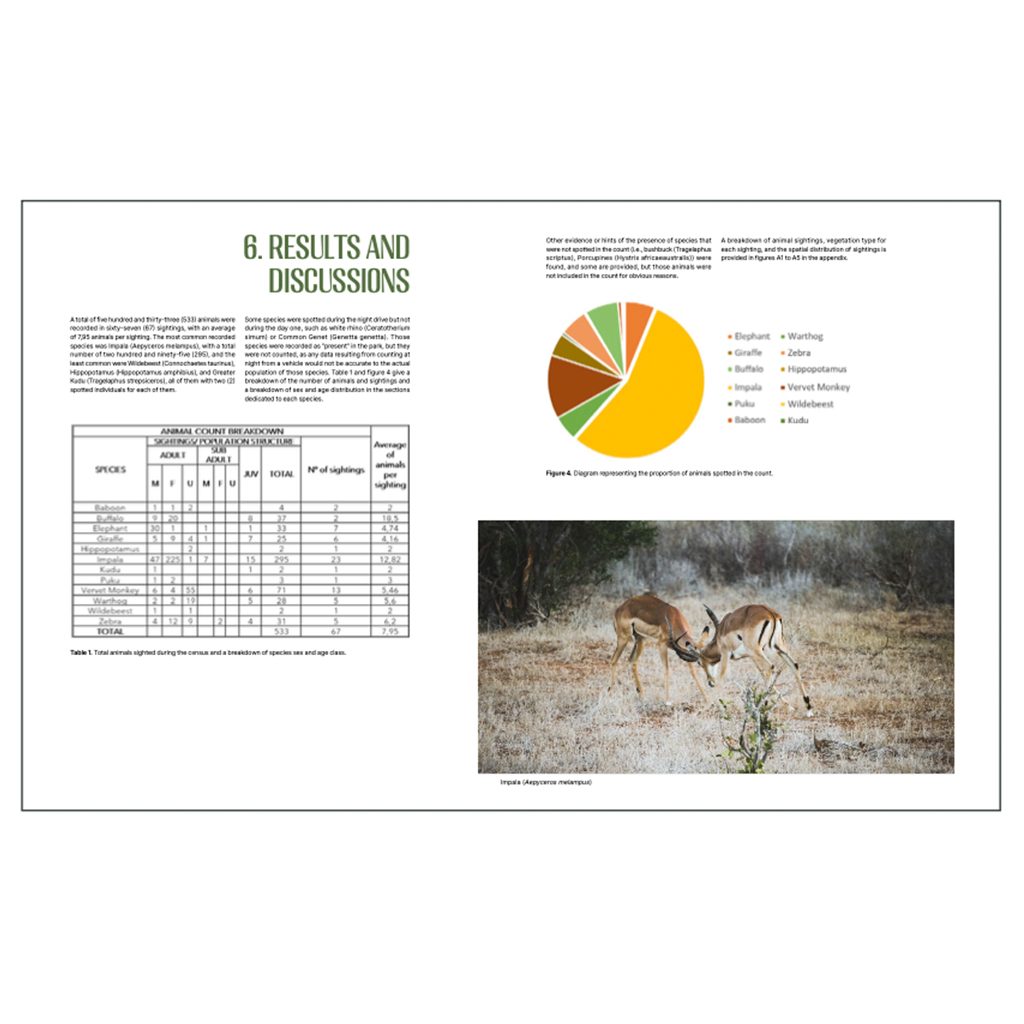
Among the natural resources, animal populations stand out. Knowing their numbers, demographic stratification and spatial dynamics becomes essential if we want to achieve an adequate management of them. For this reason, as part of the scientific work we carry out:
- We conduct censuses and population studies.
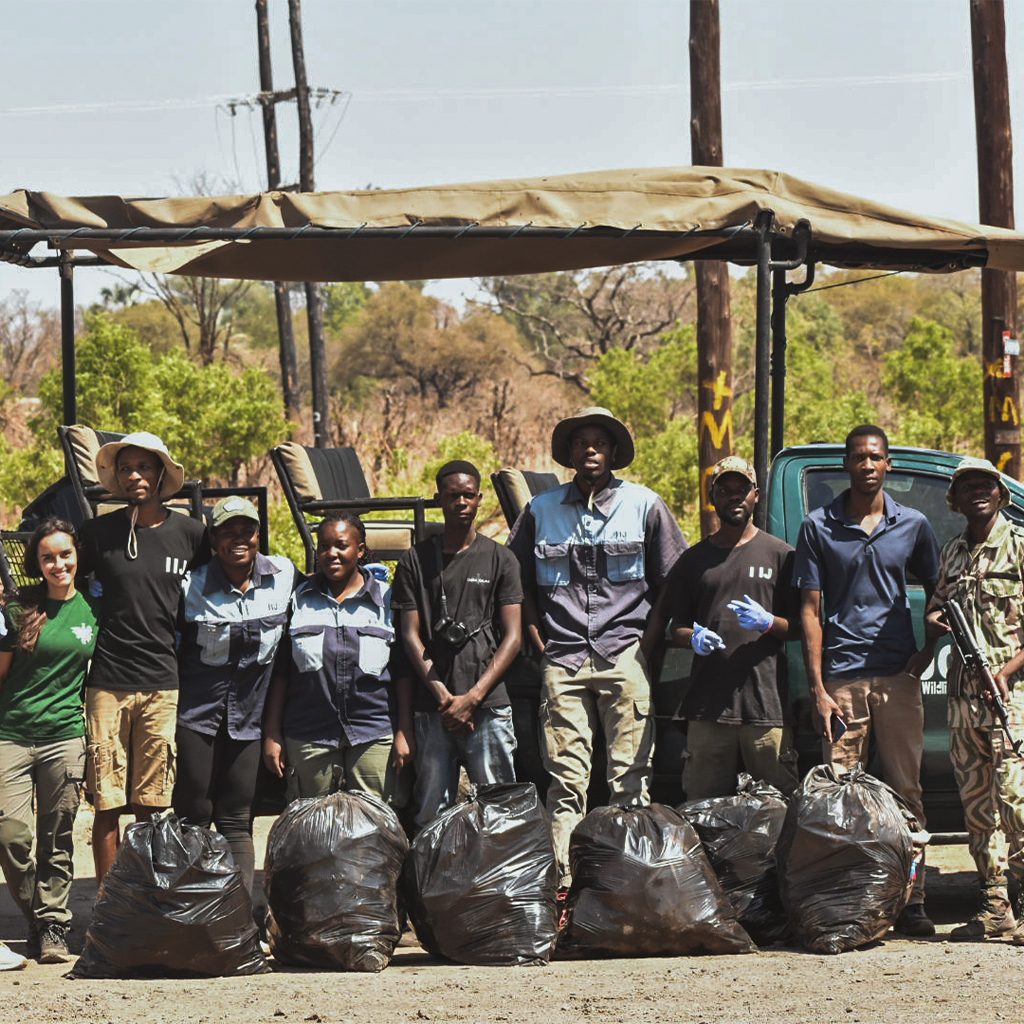
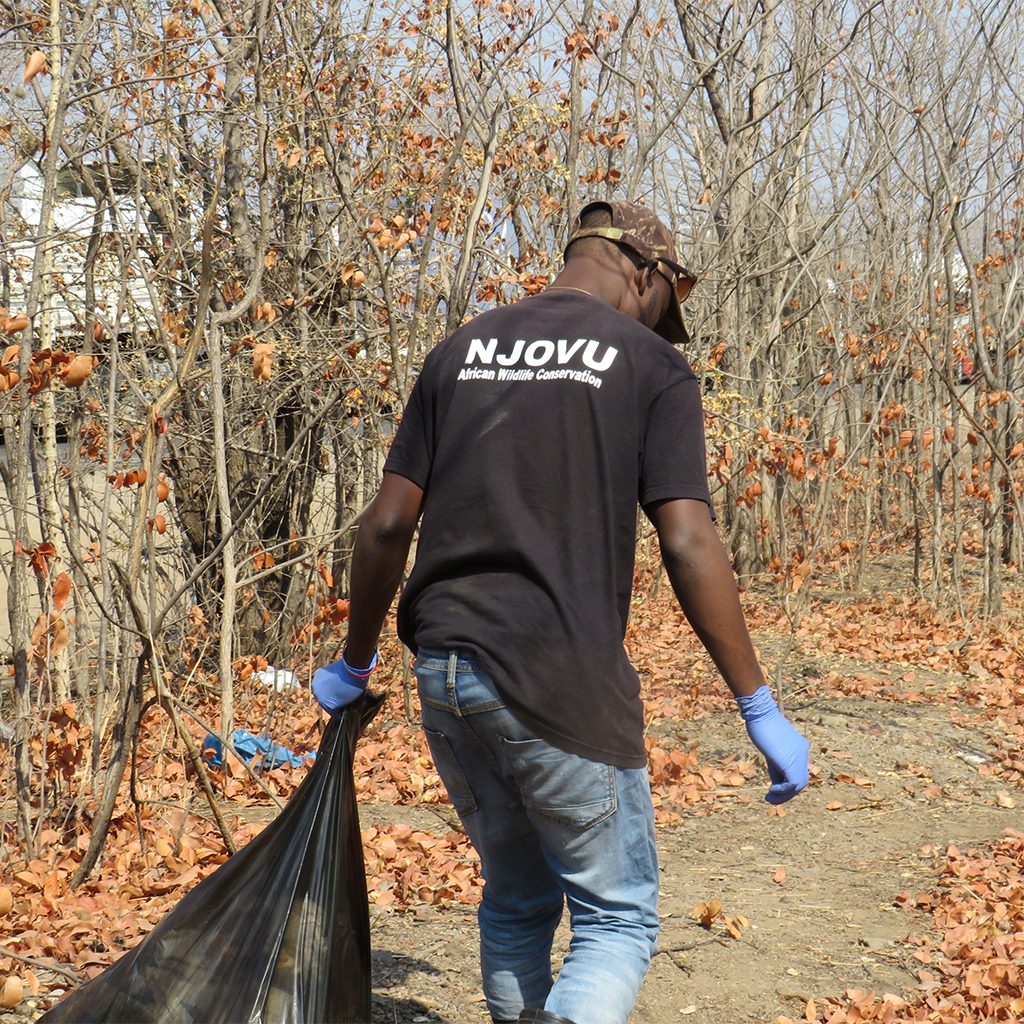
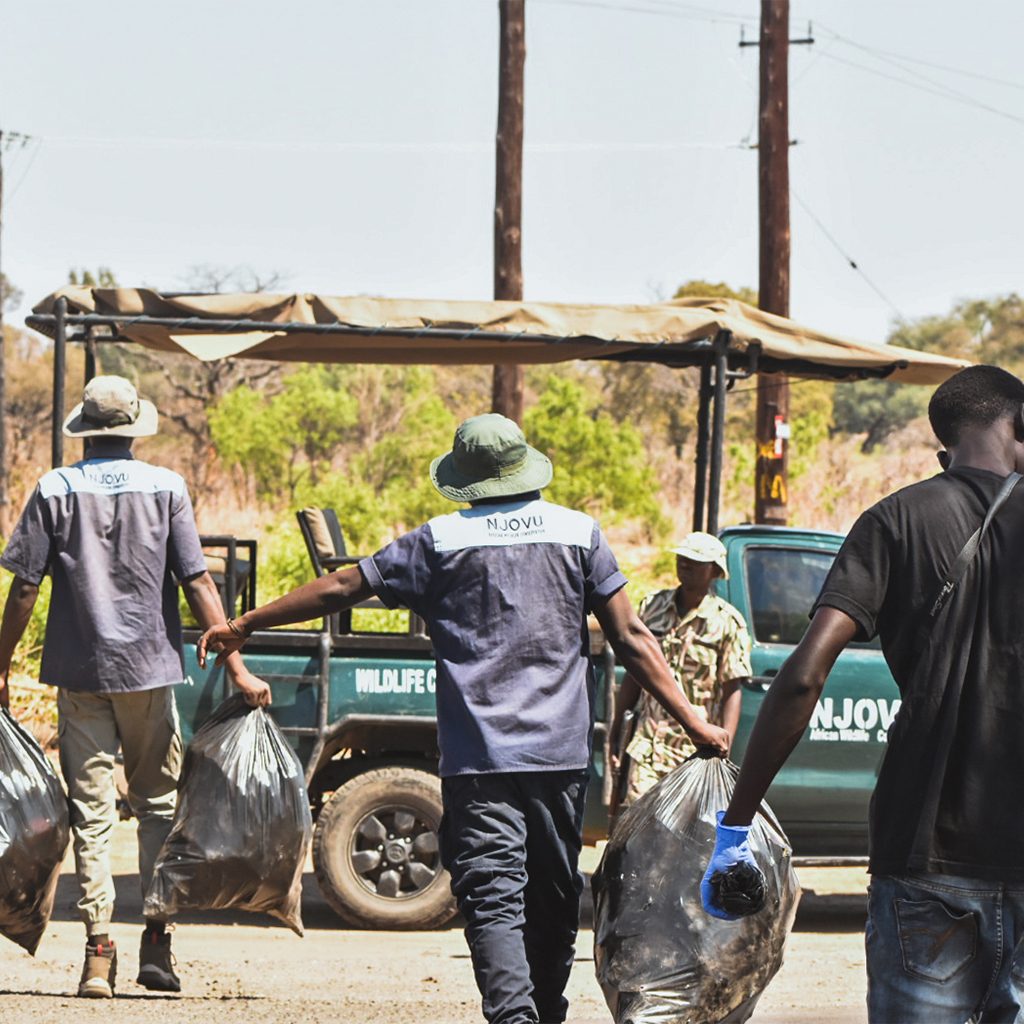
The dumping of garbage and waste in natural areas degrades habitat quality and generates direct conflicts with wildlife. In addition, it can obstruct drainage routes and other infrastructures, causing destructive episodes when the rains come. To reduce this impact:
- We carry out weekly sweeps to remove garbage and other waste from urban and protected areas.
DISCLOSURE
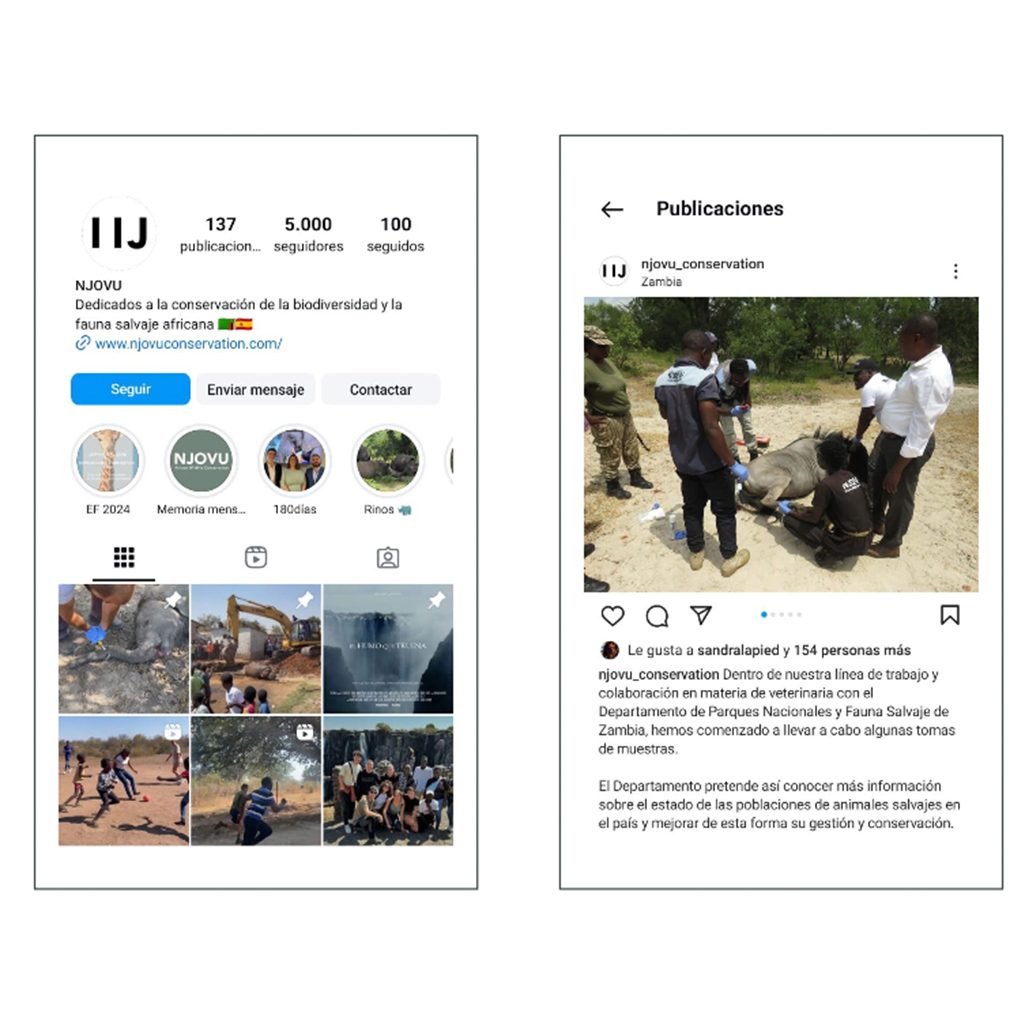
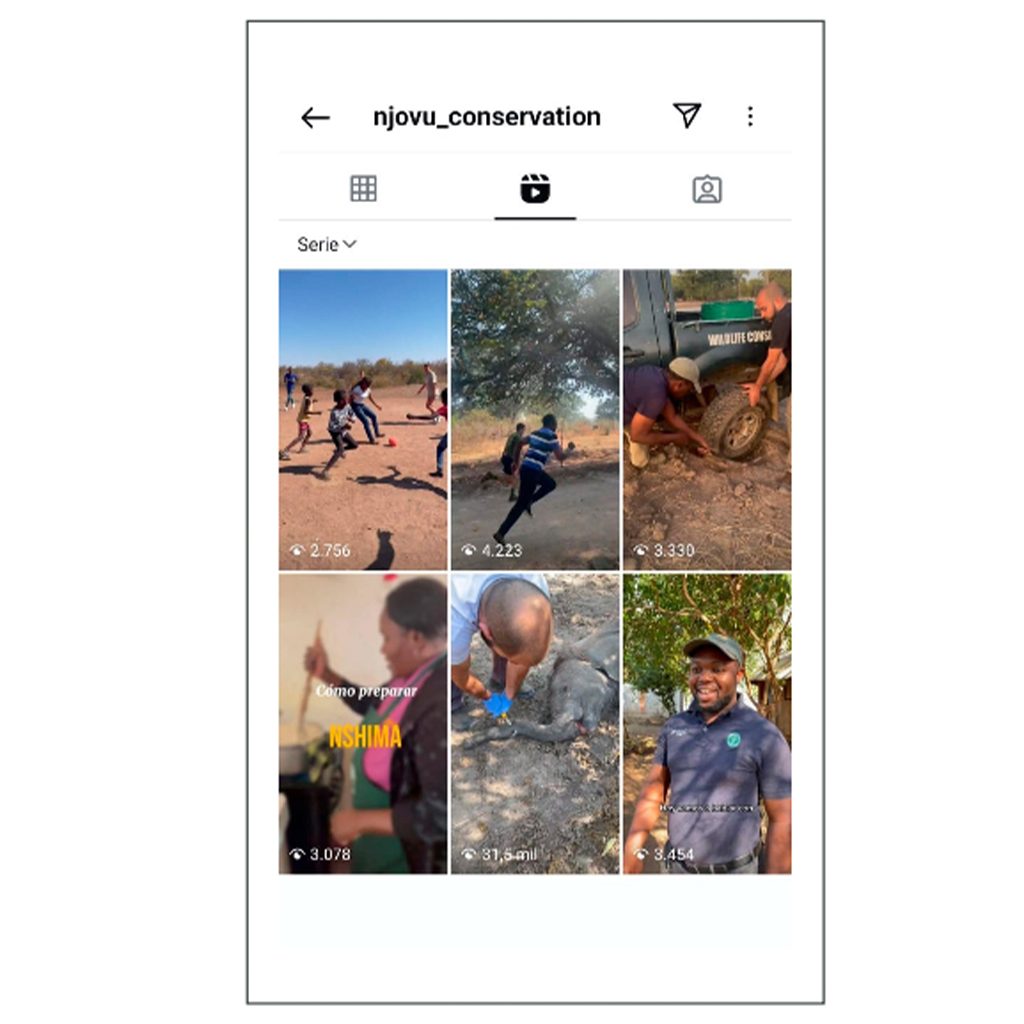
We have a very active campaign on social media, with the dual purpose of raising awareness and being an attraction for seeking funding and other types of support. We have accumulated thousands of followers and views to our publications.
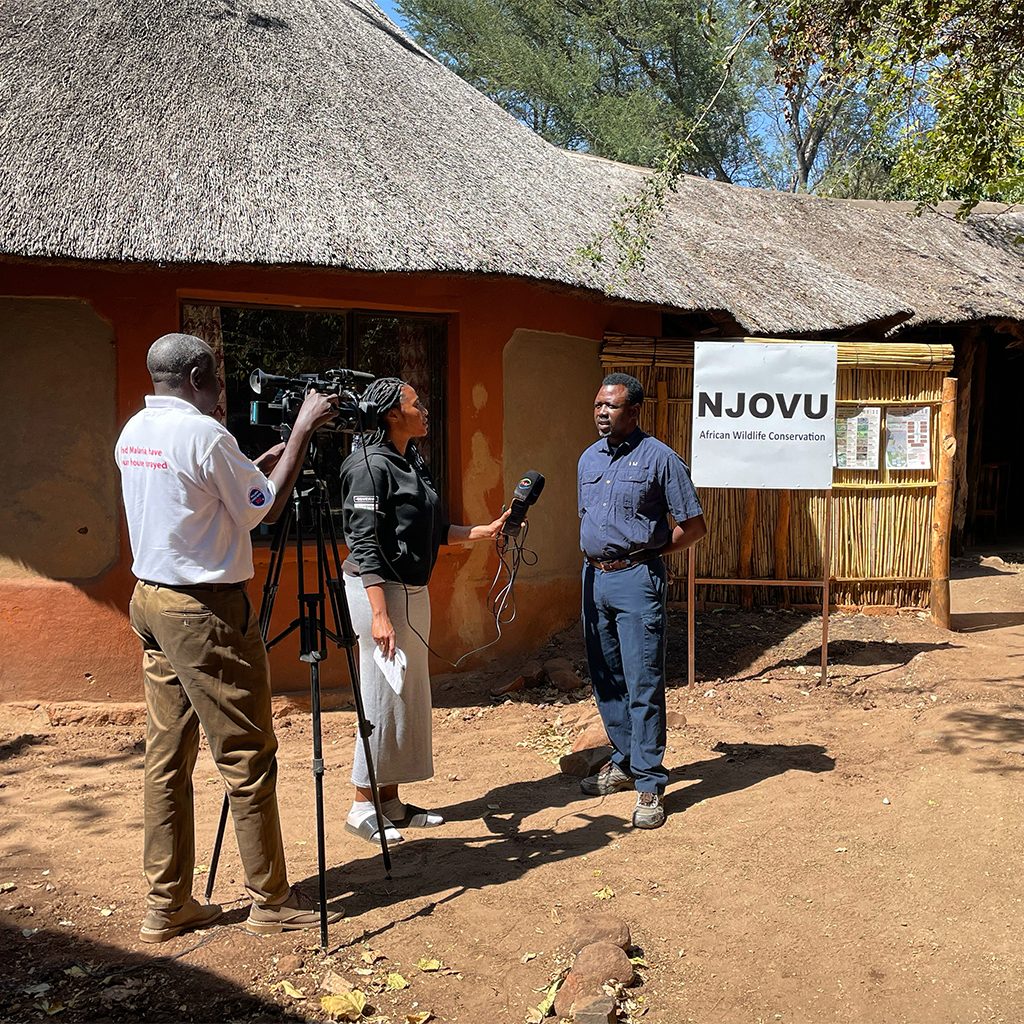
We have been frequently featured in national media in Zambia and Spain at the highest level. From local radio stations to national newspapers and television, we have been able to carry our message at all levels. This makes us a strong voice for a strong cause.
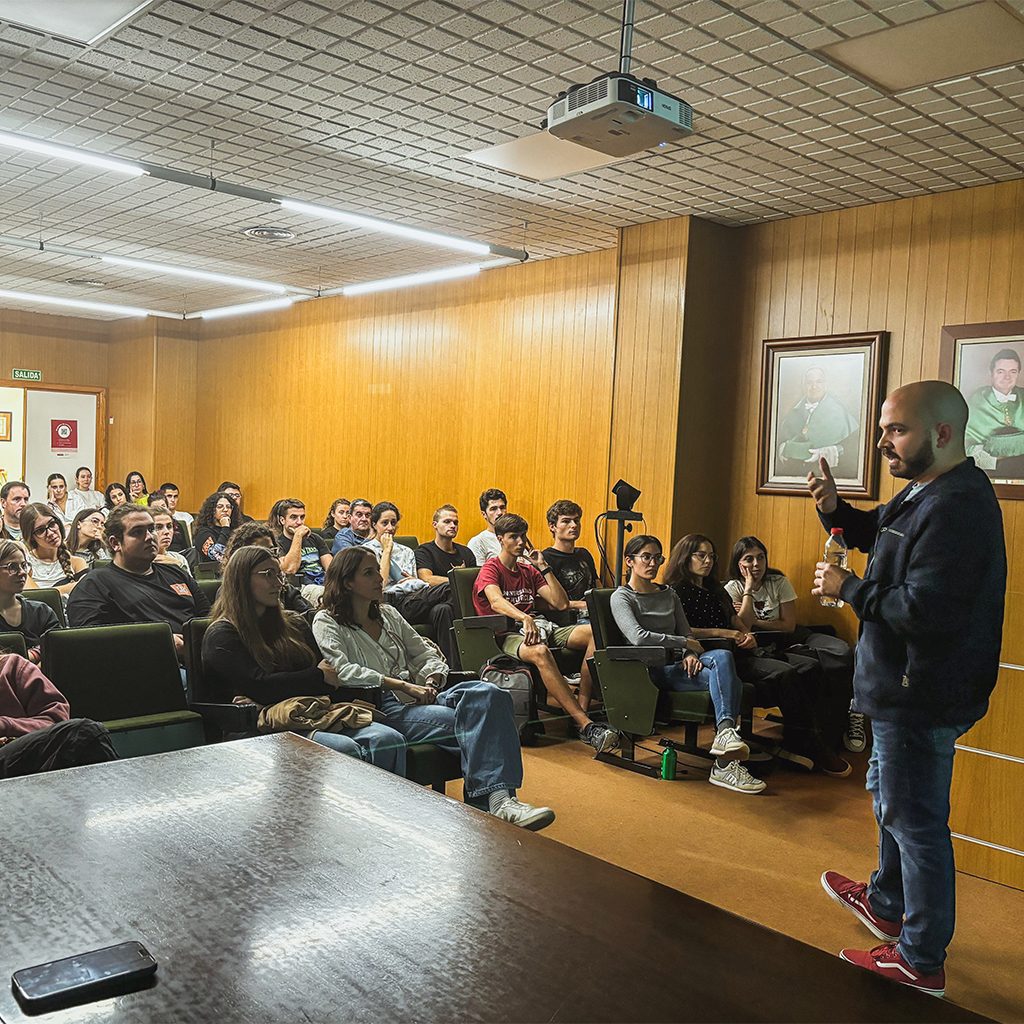
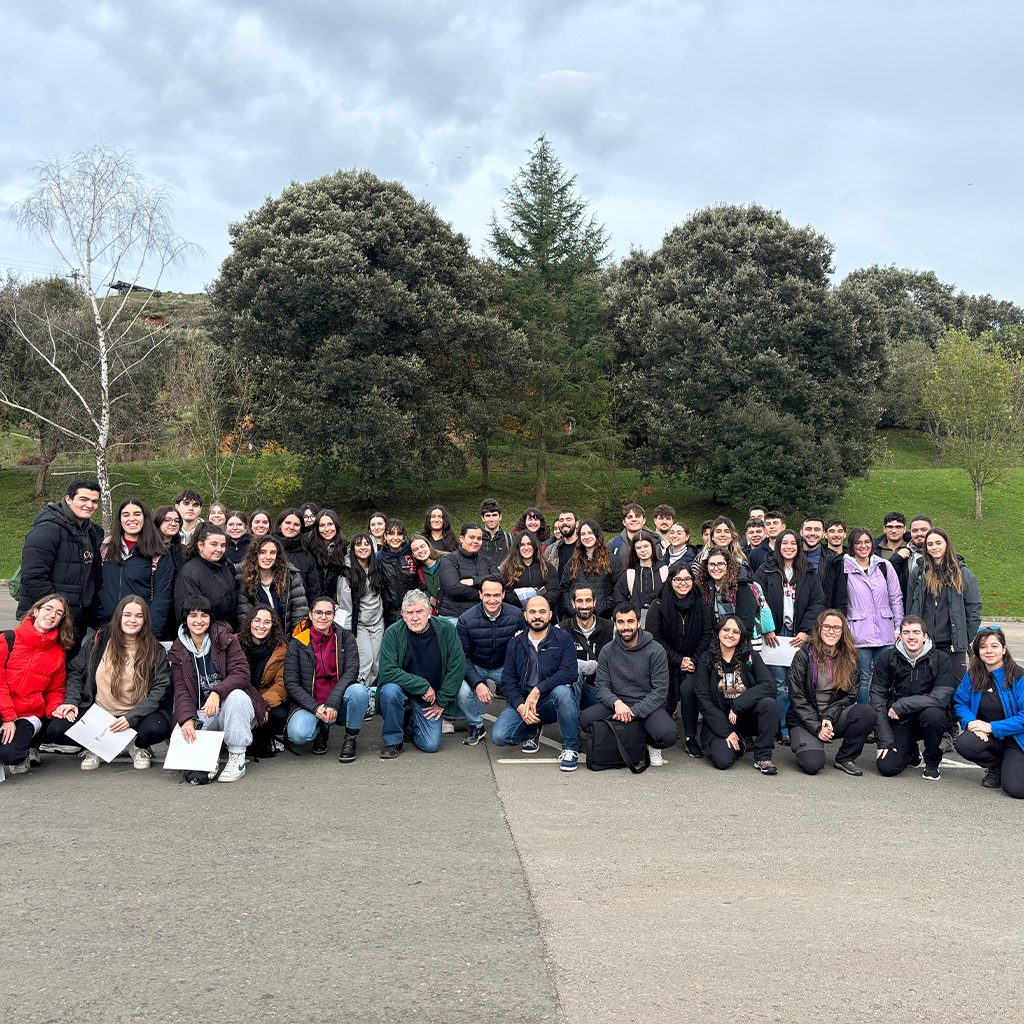
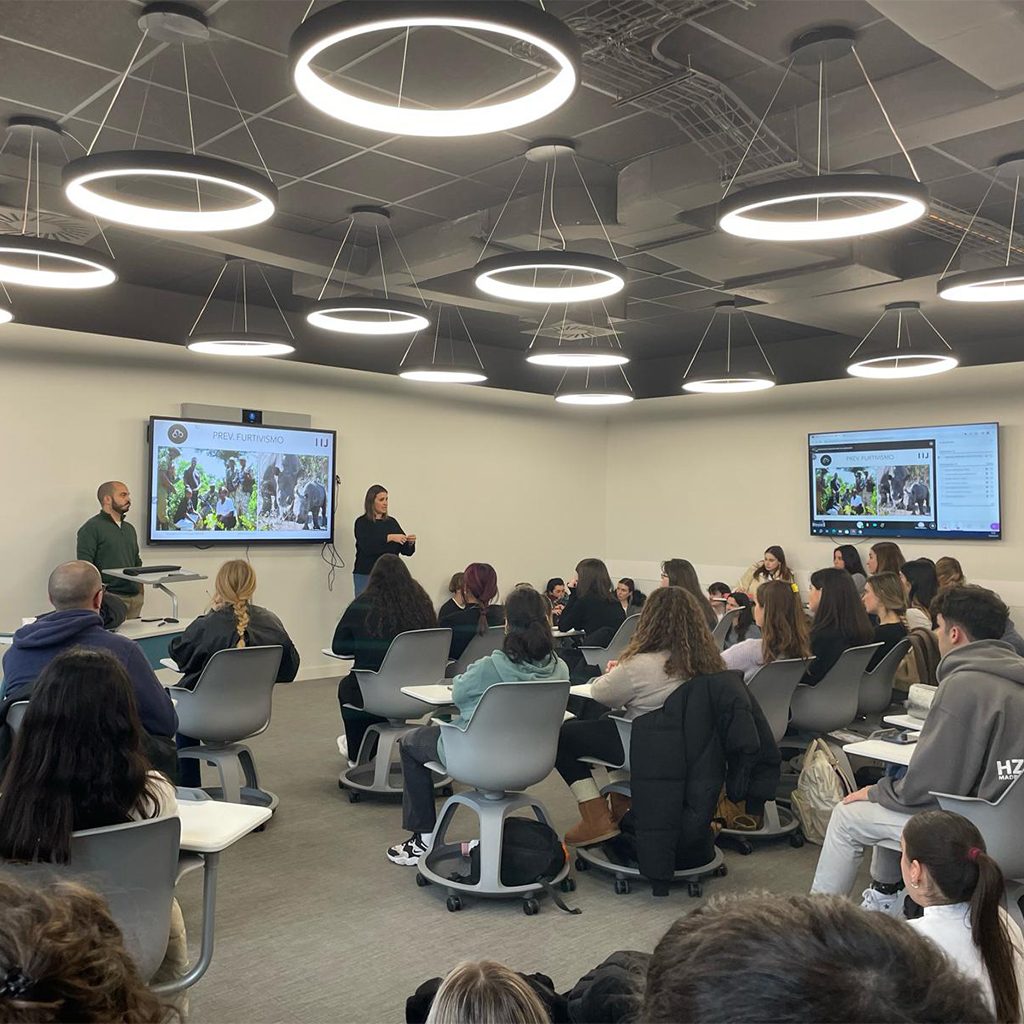
We give talks and workshops at schools and universities around the world. In Spain, in face-to-face format, we have visited at least fifteen universities, many of them on multiple occasions. In online or face-to-face mode from Zambia, we have received students from all over the world, coming from countries such as Japan, Ukraine, Nepal, Philippines, Brazil or Argentina, among others. This allows us to add an educational and technical component to our outreach work in order to train new professionals in the sector.
Are you joining the change?
Collaborate with us and help us to improve the coexistence of people and wildlife in Zambia.